
Do you suffer from heel pain when you get up in the morning? If so, you should seek professional help and have a proper diagnosis performed. Heel pain can be caused by several different foot-related conditions.
Do you suffer from heel pain when you get up in the morning? If so, you should seek professional help and have a proper diagnosis performed. Heel pain can be caused by several different foot-related conditions.
 Foot wounds are serious conditions that can develop in diabetic patients. People who have diabetes may have difficulty in feeling if there are cuts on their feet, which can develop into foot ulcers. This type of wound requires prompt treatment, which includes cleaning the wound, followed by dressing it with a proper bandage. Diabetic patients may reduce their risk of getting cuts and bruises on their feet by wearing shoes that are comfortable. Additionally, it is beneficial to avoid walking barefoot, wear clean socks, and maintain control of blood glucose levels. If you have developed a wound on your foot, it is advised you confer with a podiatrist who can offer proper treatment options which may include prescribing antibiotics.
Wound care is an important part in dealing with diabetes. If you have diabetes and a foot wound or would like more information about wound care for diabetics, consult with one of our podiatrists from APEX Foot & Ankle Center. Our doctors will assess your condition and provide you with quality foot and ankle treatment.
What Is Wound Care?
Wound care is the practice of taking proper care of a wound. This can range from the smallest to the largest of wounds. While everyone can benefit from proper wound care, it is much more important for diabetics. Diabetics often suffer from poor blood circulation which causes wounds to heal much slower than they would in a non-diabetic.
What Is the Importance of Wound Care?
While it may not seem apparent with small ulcers on the foot, for diabetics, any size ulcer can become infected. Diabetics often also suffer from neuropathy, or nerve loss. This means they might not even feel when they have an ulcer on their foot. If the wound becomes severely infected, amputation may be necessary. Therefore, it is of the upmost importance to properly care for any and all foot wounds.
How to Care for Wounds
The best way to care for foot wounds is to prevent them. For diabetics, this means daily inspections of the feet for any signs of abnormalities or ulcers. It is also recommended to see a podiatrist several times a year for a foot inspection. If you do have an ulcer, run the wound under water to clear dirt from the wound; then apply antibiotic ointment to the wound and cover with a bandage. Bandages should be changed daily and keeping pressure off the wound is smart. It is advised to see a podiatrist, who can keep an eye on it.
If you have any questions please contact our offices located in Fort Myers, Shellpoint, and Naples, FL . We offer the newest diagnostic and treatment technologies for all your foot and ankle needs.
 Poor circulation may be indicative of existing medical conditions. Common symptoms of this condition may include a tingling or numbing sensation in the feet, severely dry skin, and your feet may feel unusually tired. There may be medical conditions and lifestyle habits that may cause poor circulation. Other causes may include smoking, eating unhealthy foods, and having high blood pressure. Research has indicated high stress levels may lead to elevated blood pressure, which can cause poor circulation as well. To help alleviate some stress, it may be beneficial to practice meditation. If you have symptoms of poor circulation, it is suggested that you seek the counsel of a podiatrist who can offer you correct treatment techniques.
While poor circulation itself isn’t a condition; it is a symptom of another underlying health condition you may have. If you have any concerns with poor circulation in your feet contact one of our podiatrists of APEX Foot & Ankle Center. Our doctors will treat your foot and ankle needs.
Poor Circulation in the Feet
Peripheral artery disease (PAD) can potentially lead to poor circulation in the lower extremities. PAD is a condition that causes the blood vessels and arteries to narrow. In a linked condition called atherosclerosis, the arteries stiffen up due to a buildup of plaque in the arteries and blood vessels. These two conditions can cause a decrease in the amount of blood that flows to your extremities, therefore resulting in pain.
Symptoms
Some of the most common symptoms of poor circulation are:
Treatment for poor circulation often depends on the underlying condition that causes it. Methods for treatment may include insulin for diabetes, special exercise programs, surgery for varicose veins, or compression socks for swollen legs.
As always, see a podiatrist as he or she will assist in finding a regimen that suits you. A podiatrist can also prescribe you any needed medication.
If you have any questions, please feel free to contact our offices located in Fort Myers, Shellpoint, and Naples, FL . We offer the newest diagnostic and treatment technologies for all your foot care needs.

Each foot consists of twenty-six bones, surrounded by numerous tendons, ligaments, and muscles. It is common to feel pain in various parts of the foot, which may happen for a variety of reasons. A bunion is defined as a bony protrusion on the side of the big toe, and can develop from wearing shoes that do not fit correctly. Many people develop a condition that is known as hammertoe, which can cause the second and third toes to bend at the middle joints. This can cause pain and discomfort, and larger shoes may need to be purchased that will fit comfortably. Pain in the heel area may be indicative of a heel spur or plantar fasciitis, and often needs professional medical treatment. If you are afflicted with any type of heel pain, please consult with a podiatrist who can properly diagnose and treat foot pain.
Foot Pain
Foot pain can be extremely painful and debilitating. If you have a foot pain, consult with one of our podiatrists from APEX Foot & Ankle Center. Our doctors will assess your condition and provide you with quality foot and ankle treatment.
Causes
Foot pain is a very broad condition that could be caused by one or more ailments. The most common include:
Diagnosis
To figure out the cause of foot pain, podiatrists utilize several different methods. This can range from simple visual inspections and sensation tests to X-rays and MRI scans. Prior medical history, family medical history, and any recent physical traumatic events will all be taken into consideration for a proper diagnosis.
Treatment
Treatment depends upon the cause of the foot pain. Whether it is resting, staying off the foot, or having surgery; podiatrists have a number of treatment options available for foot pain.
If you have any questions, please feel free to contact our offices located in Fort Myers, Shellpoint, and Naples, FL . We offer the newest diagnostic and treatment technologies for all your foot care needs.
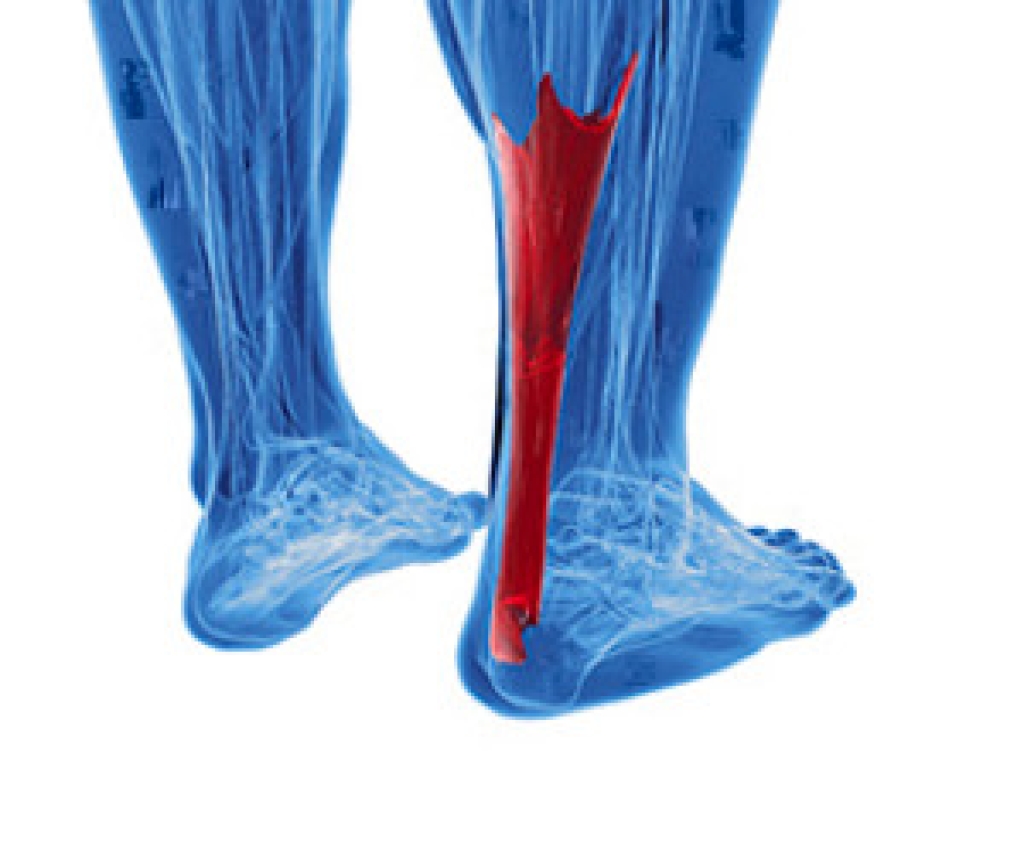 Patients who have endured an Achilles tendon injury are often aware of the debilitating pain and discomfort this condition may cause. It can occur as a result of frequently participating in running and jumping activities, and can be a common injury among tennis players. The consistent jumping and turning may cause the Achilles tendon to become weak, which is located on the lower part of the calf. The function of this tendon is to connect the heel to the calf muscles, and can be quite painful if it becomes torn and inflamed. Patients who have endured an Achilles tendon injury may find mild relief when the affected foot is elevated, and it may help to perform specific stretching techniques. If you feel pain in the calf and heel area, it is strongly suggested that you consult with a podiatrist as quickly as possible so the correct treatment can begin.
Achilles tendon injuries need immediate attention to avoid future complications. If you have any concerns, contact one of our podiatrists of APEX Foot & Ankle Center. Our doctors can provide the care you need to keep you pain-free and on your feet.
What Is the Achilles Tendon?
The Achilles tendon is a tendon that connects the lower leg muscles and calf to the heel of the foot. It is the strongest tendon in the human body and is essential for making movement possible. Because this tendon is such an integral part of the body, any injuries to it can create immense difficulties and should immediately be presented to a doctor.
What Are the Symptoms of an Achilles Tendon Injury?
There are various types of injuries that can affect the Achilles tendon. The two most common injuries are Achilles tendinitis and ruptures of the tendon.
Achilles Tendinitis Symptoms
Rupture Symptoms
Treatment and Prevention
Achilles tendon injuries are diagnosed by a thorough physical evaluation, which can include an MRI. Treatment involves rest, physical therapy, and in some cases, surgery. However, various preventative measures can be taken to avoid these injuries, such as:
If you have any questions please feel free to contact our offices located in Fort Myers, Shellpoint, and Naples, FL . We offer the newest diagnostic tools and technology to treat your foot and ankle needs.

Custom orthotics, or shoe inserts, should be periodically replaced. Orthotics must fit properly to give you the best results. Protect your feet and ankles!
 Patients who have chronic pain from specific foot conditions may be interested in learning about a treatment that is known as MLS laser therapy. It is defined as using wavelengths of light to possibly treat joint conditions, and injuries that have occurred to the tendons and ligaments. Additionally, it may help to reduce inflammation. After several treatments of approximately eight minutes each, swelling and pain may be diminished. Research has indicated the benefits of using MLS therapy may include faster healing of sprains, wounds, foot ulcers, and blood circulation may be improved. If you have chronic foot pain and are interested in learning more about MLS therapy, it is suggested that you consult with a podiatrist.
MLS Laser Therapy is a successful alternative for treating any pain you may be experiencing related to certain podiatric conditions. If you are interested in MLS Laser Therapy, consult with one of our podiatrists from APEX Foot & Ankle Center. Our doctors will assess your condition and provide you with quality foot and ankle treatment.
MLS Laser Therapy
Multiwave Locked System (MLS) Laser Therapy is a patented, FDA-cleared technology that helps relieve pain and inflammation from a number of podiatric conditions, including:
MLS Laser Therapy is an ideal alternative to surgery and prescription medication, as it has no negative side effects and encourages accelerated healing. Among its many clinical benefits, MLS Laser Therapy also:
If you have any questions, please feel free to contact our offices located in Fort Myers, Shellpoint, and Naples, FL . We offer the newest diagnostic and treatment technologies for all your foot care needs.
 A broken toe is typically not a serious condition, despite the fact that it may cause severe pain and discomfort. It may happen as a result of stubbing your toe against a piece of furniture, or possibly from dropping a heavy object on it. Immediate symptoms may include bruising and swelling on or around the affected toe, difficulty in walking, and the toe may appear deformed. Many patients have found buddy taping to be an effective treatment method for mildly broken toes. This is accomplished by taping the injured toe to the toe next to it. This method may be helpful in providing the necessary support as the healing process takes place. If you have broken your toe, it is suggested that you consult with a podiatrist who can help you to determine which treatment option is best for you.
A broken toe can be very painful and lead to complications if not properly fixed. If you have any concerns about your feet, contact one of our podiatrists from APEX Foot & Ankle Center. Our doctors will treat your foot and ankle needs.
What to Know About a Broken Toe
Although most people try to avoid foot trauma such as banging, stubbing, or dropping heavy objects on their feet, the unfortunate fact is that it is a common occurrence. Given the fact that toes are positioned in front of the feet, they typically sustain the brunt of such trauma. When trauma occurs to a toe, the result can be a painful break (fracture).
Symptoms of a Broken Toe
Generally, it is best to stay off of the injured toe with the affected foot elevated.
Severe toe fractures may be treated with a splint, cast, and in some cases, minor surgery. Due to its position and the pressure it endures with daily activity, future complications can occur if the big toe is not properly treated.
If you have any questions, please feel free to contact our offices located in Fort Myers, Shellpoint, and Naples, FL . We offer the newest diagnostic and treatment technologies for all your foot care needs.
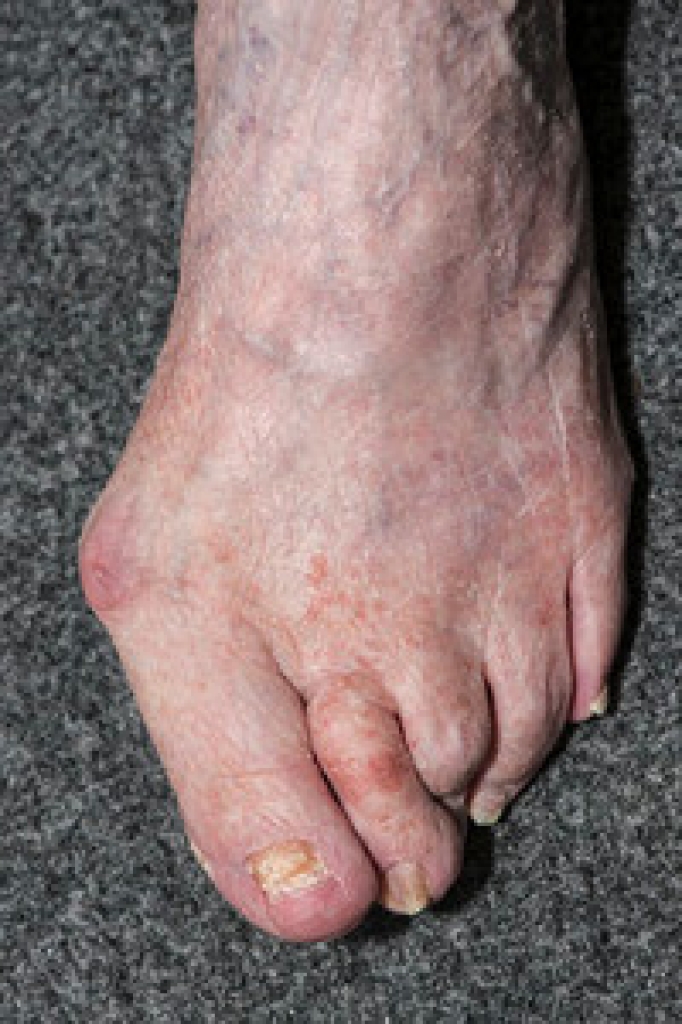 There are many patients who may notice a bony protrusion developing on the side of their big toe. This may be consistent with the signs of a bunion, which typically produces pain and discomfort. It is considered to be a bone deformity, and there are specific reasons why this condition may develop. These causes can include genetic factors, or it may gradually appear from wearing shoes that do not have adequate room for the toes to move freely in. If the bunion is severe, larger shoes may have to be purchased, which can accommodate the growing bunion. Many patients find mild relief when a small pad is worn over it, as this may help to protect it from friction that may be caused by wearing shoes. If you are afflicted with a bunion, it is strongly suggested that you consult with a podiatrist who can offer you proper treatment options.
If you are suffering from bunion pain, contact one of our podiatrists of APEX Foot & Ankle Center. Our doctors can provide the care you need to keep you pain-free and on your feet.
What Is a Bunion?
Bunions are painful bony bumps that usually develop on the inside of the foot at the joint of the big toe. As the deformity increases over time, it may become painful to walk and wear shoes. Women are more likely to exacerbate existing bunions since they often wear tight, narrow shoes that shift their toes together. Bunion pain can be relieved by wearing wider shoes with enough room for the toes.
Causes
Symptoms
In order to diagnose your bunion, your podiatrist may ask about your medical history, symptoms, and general health. Your doctor might also order an x-ray to take a closer look at your feet. Nonsurgical treatment options include orthotics, padding, icing, changes in footwear, and medication. If nonsurgical treatments don’t alleviate your bunion pain, surgery may be necessary.
If you have any questions, please feel free to contact our offices located in Fort Myers, Shellpoint, and Naples, FL . We offer the newest diagnostic and treatment technologies for all your foot care needs.
 The definition of a podiatrist is a doctor who treats conditions of the feet and ankles. They can advise patients on how to properly care for their feet, in addition to treating existing foot conditions that can be a result of diabetes or arthritis. After obtaining a bachelor's degree, and having completed a four-year program at a podiatric medical school, they are officially known as Doctors of Podiatric Medicine, and typically use the initials DPM after their names. It is beneficial for these types of doctors to be available at a variety of times, in addition to having good communication skills. People who may be interested in pursuing a career in podiatry are urged to consult with a podiatrist who can help to determine if this is the correct career choice for them.
If you are dealing with pain in your feet and ankles, you may want to seek help from a podiatrist. Feel free to contact one of our podiatrists from APEX Foot & Ankle Center. Our doctors can provide the care you need to keep you pain-free and on your feet.
What Is a Podiatrist?
A podiatrist is a doctor of podiatric medicine who diagnoses and treats conditions of the foot, ankle, and related structures of the leg. Your podiatrist may specialize in a certain field such as sports medicine, wound care, pediatrics, and diabetic care. Podiatrists have the ability to become board certified through training, clinical experience, and then taking an exam.
What Do Podiatrists Do?
On a daily basis, a podiatrist may perform the following activities:
It is very important that you take care of your feet. It’s easy to take having healthy feet for granted, however foot problems tend to be among the most common health conditions. Podiatrists can help diagnose and treat a variety of feet related conditions, so it is crucial that you visit one if you need assistance.
If you have any questions, please feel free to contact our offices located in Fort Myers, Shellpoint, and Naples, FL . We offer the newest diagnostic and treatment technologies for all your foot care needs.
Connect With Us