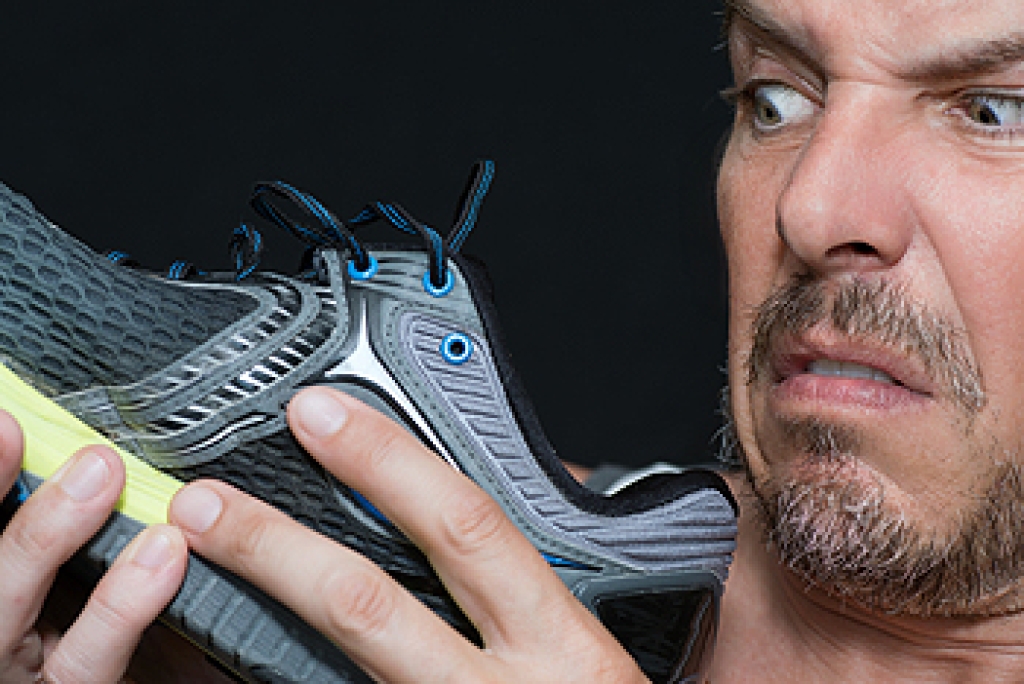
What is Plantar Hyperhidrosis?

If you have feet that produce excessive sweat, you may have a condition that is referred to as plantar hyperhidrosis. It typically affects a relatively small percentage of the population, and may generally commence in childhood or adolescence. It is known to be an uncomfortable foot condition and may lead to additional foot issues such as fungal infections. Most patients that are afflicted with this ailment experience dry feet while sleeping, despite the fact that both feet may sweat profusely during the day. Treatment options for mild cases of plantar hyperhidrosis may include wearing inner soles that can absorb the excess sweat, in addition to wearing cotton socks, which may reduce the onset of infections. For severe cases of this condition, it’s suggested to speak with a podiatrist who can discuss proper treatment options for you.

If you are suffering from hyperhidrosis contact one of our podiatrists of APEX Foot & Ankle Center. Our doctors can provide the care you need to attend to all of your foot and ankle needs.

Hyperhidrosis of the Feet

Hyperhidrosis is a rare disorder that can cause people to have excessive sweating of their feet. This can usually occur all on its own without rigorous activity involved. People who suffer from hyperhidrosis may also experience sweaty palms.

Although it is said that sweating is a healthy process meant to cool down the body temperature and to maintain a proper internal temperature, hyperhidrosis may prove to be a huge hindrance on a person’s everyday life.

Plantar hyperhidrosis is considered to be the main form of hyperhidrosis. Secondary hyperhidrosis can refer to sweating that occurs in areas other than the feet or hands and armpits. Often this may be a sign of it being related to another medical condition such as menopause, hyperthyroidism and even Parkinson’s disease.

In order to alleviate this condition, it is important to see your doctor so that they may prescribe the necessary medications so that you can begin to live a normal life again. If this is left untreated, it is said that it will persist throughout an individual’s life.

A last resort approach would be surgery, but it is best to speak with your doctor to find out what may be the best treatment for you.

If you have any questions, please feel free to contact our offices located in Fort Myers, Shellpoint, and Naples, FL . We offer the newest diagnostic and treatment technologies for all your foot care needs.
Read more about Hyperhidrosis of the Feet

How to Tell If You Have Plantar Fasciitis

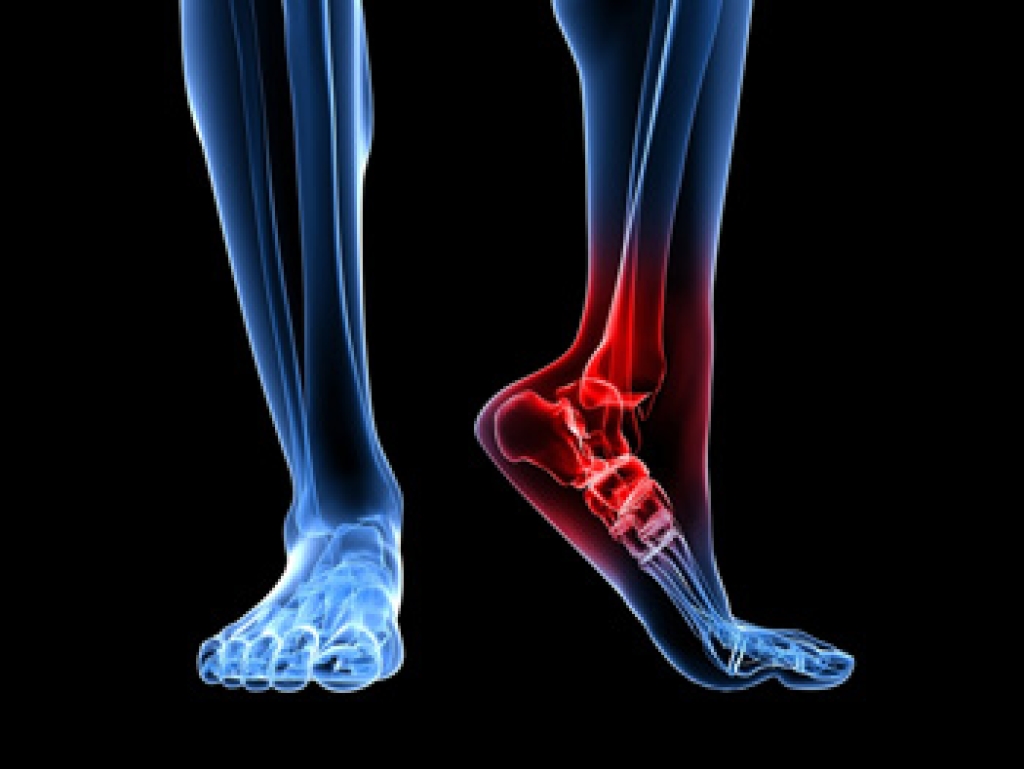
The plantar fascia is a long ligament that runs along the bottom of the foot. This ligament is responsible for connecting the heel to the front of the foot, and it supports the foot’s arch. Plantar fasciitis is the number one cause of heel pain. It has been estimated that approximately 2 million people each year are treated for this condition. You will be more likely to develop plantar fasciitis if you are obese, have a high foot arch, are involved in sports, or have tighter calf muscles. Many people who have plantar fasciitis also have heel spurs, but heel spurs are not the cause of plantar fasciitis. Symptoms of plantar fasciitis include pain near the heel, pain after getting up in the morning, and pain after exercising. If you suspect that you may have plantar fasciitis, you should speak with your podiatrist to explore treatment options that could potentially work for you.

Plantar fasciitis is a common foot condition that is often caused by a strain injury. If you are experiencing heel pain or symptoms of plantar fasciitis, contact one of our podiatrists from APEX Foot & Ankle Center. Our doctors can provide the care you need to keep you pain-free and on your feet.

What Is Plantar Fasciitis?

Plantar fasciitis is one of the most common causes of heel pain. The plantar fascia is a ligament that connects your heel to the front of your foot. When this ligament becomes inflamed, plantar fasciitis is the result. If you have plantar fasciitis you will have a stabbing pain that usually occurs with your first steps in the morning. As the day progresses and you walk around more, this pain will start to disappear, but it will return after long periods of standing or sitting.

What Causes Plantar Fasciitis?

  • Excessive running
  • Having high arches in your feet
  • Other foot issues such as flat feet
  • Pregnancy (due to the sudden weight gain)
  • Being on your feet very often

There are some risk factors that may make you more likely to develop plantar fasciitis compared to others. The condition most commonly affects adults between the ages of 40 and 60. It also tends to affect people who are obese because the extra pounds result in extra stress being placed on the plantar fascia.

Prevention

  • Take good care of your feet – Wear shoes that have good arch support and heel cushioning.
  • Maintain a healthy weight
  • If you are a runner, alternate running with other sports that won’t cause heel pain

There are a variety of treatment options available for plantar fasciitis along with the pain that accompanies it. Additionally, physical therapy is a very important component in the treatment process. It is important that you meet with your podiatrist to determine which treatment option is best for you.

If you have any questions, please feel free to contact our offices located in Fort Myers, Shellpoint, and Naples, FL . We offer the newest diagnostic and treatment technologies for all your foot care needs.
 

Read more about Plantar Fasciitis

How to Tell If You Have Plantar Fasciitis

The plantar fascia is a long ligament that runs along the bottom of the foot. This ligament is responsible for connecting the heel to the front of the foot, and it supports the foot’s arch. Plantar fasciitis is the number one cause of heel pain. It has been estimated that approximately 2 million people each year are treated for this condition. You will be more likely to develop plantar fasciitis if you are obese, have a high foot arch, are involved in sports, or have tighter calf muscles. Many people who have plantar fasciitis also have heel spurs, but heel spurs are not the cause of plantar fasciitis. Symptoms of plantar fasciitis include pain near the heel, pain after getting up in the morning, and pain after exercising. If you suspect that you may have plantar fasciitis, you should speak with your podiatrist to explore treatment options that could potentially work for you.

Plantar fasciitis can be very painful and inconvenient. If you are experiencing heel pain or symptoms of plantar fasciitis, contact one of our podiatrists  from APEX Foot & Ankle Center. Our doctors can provide the care you need to keep you pain-free and on your feet.

What Is Plantar Fasciitis?

Plantar fasciitis is the inflammation of the thick band of tissue that runs along the bottom of your foot, known as the plantar fascia, and causes mild to severe heel pain.

What Causes Plantar Fasciitis?

  • Excessive running
  • Non-supportive shoes
  • Overpronation
  • Repeated stretching and tearing of the plantar fascia

How Can It Be Treated?

  • Conservative measures – anti-inflammatories, ice packs, stretching exercises, physical therapy, orthotic devices
  • Shockwave therapy – sound waves are sent to the affected area to facilitate healing and are usually used for chronic cases of plantar fasciitis
  • Surgery – usually only used as a last resort when all else fails. The plantar fascia can be surgically detached from the heel

While very treatable, plantar fasciitis is definitely not something that should be ignored. Especially in severe cases, speaking to your doctor right away is highly recommended to avoid complications and severe heel pain. Your podiatrist can work with you to provide the appropriate treatment options tailored to your condition.

If you have any questions, please feel free to contact our offices located in Fort Myers, Shellpoint, and Naples, FL . We offer the newest diagnostic and treatment technologies for all your foot care needs.
Read more about Plantar Fasciitis

Effective Ways to Prevent Falling

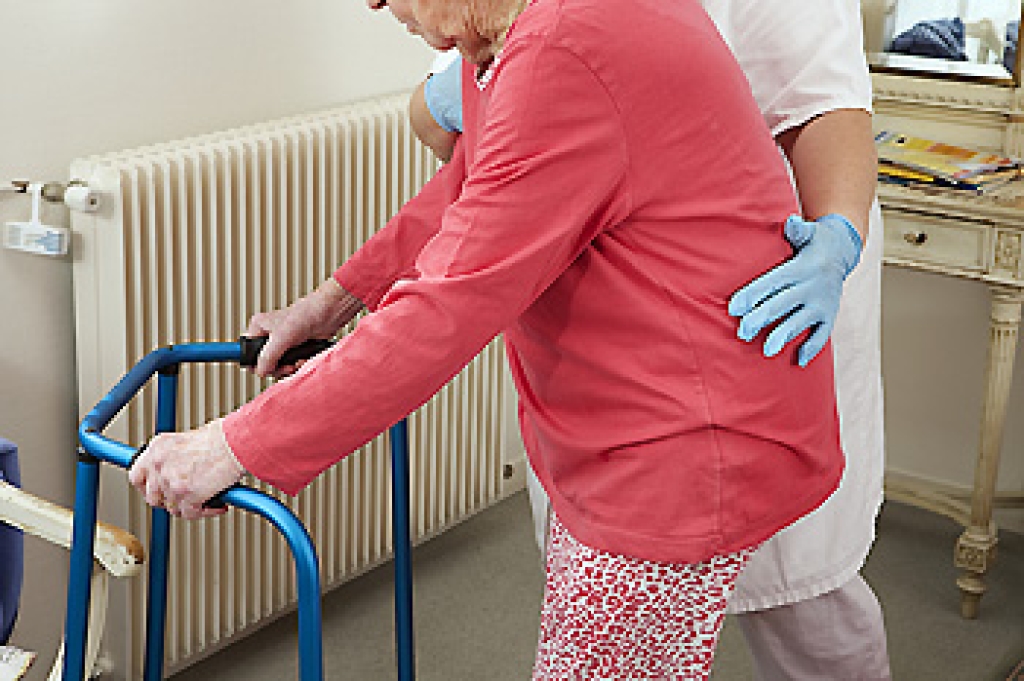
Recent research has shown that approximately 30 to 40 percent of seniors fall at least once per year. Many injuries may occur from the unnatural act of falling, including breaking a foot or spraining an ankle, in addition to possibly affecting the overall health of the body. There are simple steps that may be implemented to avoid falling, and as a result, the chances of a serious fall from occurring may be diminished. It’s important to choose shoes that fit correctly and it is beneficial if they have a non-slip sole. For those seniors who exercise regularly, their strong muscles and tendons may aid in providing the necessary strength to prevent a fall from occurring. Additionally, living in a clean and uncluttered environment may help older people to walk without tripping. It may be helpful to obtain regular medical checkups, which may include an eye exam and a reevaluation of any medications that are taken.

Preventing falls among the elderly is very important. If you are older and have fallen or fear that you are prone to falling, consult with one of our podiatrists from APEX Foot & Ankle Center. Our doctors will assess your condition and provide you with quality advice and care.

Every 11 seconds, an elderly American is being treated in an emergency room for a fall related injury. Falls are the leading cause of head and hip injuries for those 65 and older. Due to decreases in strength, balance, senses, and lack of awareness, elderly persons are very susceptible to falling. Thankfully, there are a number of things older persons can do to prevent falls.

How to Prevent Falls

Some effective methods that older persons can do to prevent falls include:

  • Enrolling in strength and balance exercise program to increase balance and strength
  • Periodically having your sight and hearing checked
  • Discuss any medications you have with a doctor to see if it increases the risk of falling
  • Clearing the house of falling hazards and installing devices like grab bars and railings
  • Utilizing a walker or cane
  • Wearing shoes that provide good support and cushioning
  • Talking to family members about falling and increasing awareness

Falling can be a traumatic and embarrassing experience for elderly persons; this can make them less willing to leave the house, and less willing to talk to someone about their fears of falling. Doing such things, however, will increase the likelihood of tripping or losing one’s balance. Knowing the causes of falling and how to prevent them is the best way to mitigate the risk of serious injury.  

If you have any questions, please feel free to contact our offices located in Fort Myers, Shellpoint, and Naples, FL . We offer the newest diagnostic and treatment technologies for all your foot care needs.
Read more about Falls Prevention

The Symptoms Associated with an Achilles Tendon Injury

The symptoms associated with Achilles tendon injuries typically include intense pain in the bottom portion of the calf, and difficulty in pointing and flexing the foot. This particular type of injury may occur as a result of weakness in the ligaments and tendons in the lower leg, and this may be due to excessive strain. When the Achilles tendon remains strong, it can bear the force of running that may be equal to ten times the weight of the body. When a rupture occurs, the tendon weakens and is unable to bend the way it needs to in order to walk or run. Treatment options may include wearing a cast or boot to allow the tendon to heal on its own, or surgery for more severe Achilles tendon injuries. If you have incurred this type of injury, it’s important to speak with a podiatrist as quickly as possible to receive proper diagnosis and information on the best treatments available.

Achilles tendon injuries need immediate attention to avoid future complications. If you have any concerns, contact one of our podiatrists of APEX Foot & Ankle Center. Our doctors can provide the care you need to keep you pain-free and on your feet.

What Is the Achilles Tendon?

The Achilles tendon is a tendon that connects the lower leg muscles and calf to the heel of the foot. It is the strongest tendon in the human body and is essential for making movement possible. Because this tendon is such an integral part of the body, any injuries to it can create immense difficulties and should immediately be presented to a doctor.

What Are the Symptoms of an Achilles Tendon Injury?

There are various types of injuries that can affect the Achilles tendon. The two most common injuries are Achilles tendinitis and ruptures of the tendon.

Achilles Tendinitis Symptoms

  • Inflammation
  • Dull to severe pain
  • Increased blood flow to the tendon
  • Thickening of the tendon

Rupture Symptoms

  • Extreme pain and swelling in the foot
  • Total immobility

Treatment and Prevention

Achilles tendon injuries are diagnosed by a thorough physical evaluation, which can include an MRI. Treatment involves rest, physical therapy, and in some cases, surgery. However, various preventative measures can be taken to avoid these injuries, such as:

  • Thorough stretching of the tendon before and after exercise
  • Strengthening exercises like calf raises, squats, leg curls, leg extensions, leg raises, lunges, and leg presses

If you have any questions please feel free to contact our offices located in Fort Myers, Shellpoint, and Naples, FL . We offer the newest diagnostic tools and technology to treat your foot and ankle needs.

Read more about Achilles Tendon Injuries

Gout Attack Prevention

Years ago, gout was a condition that only the wealthy had to deal with. This is because the disease is often caused by an excessive intake of meat and alcohol, which only rich people could afford. This is because these foods are high in purines. Although the human body can produce purine on its own, eating purines creates something called uric acid. When the body has too much uric acid, gout starts to develop. The medical term for this occurrence is hyperuricemia. People who have gout should limit their purine intake, but this doesn’t necessarily mean you should eat more fruits and vegetables. Besides water, the best drink for people with gout is tea, because it breaks down purines quickly. Gout attacks can be painful. If you want to prevent them you should exercise on a daily basis. Exercising will help supply your joints with nutrients. If you are dealing with gout and need assistance on how to prevent gout attacks, it is best that you speak with your podiatrist.

Gout is a painful condition that can be treated. If you are seeking treatment, contact one of our podiatrists from APEX Foot & Ankle Center. Our doctors will treat your foot and ankle needs.

What Is Gout?

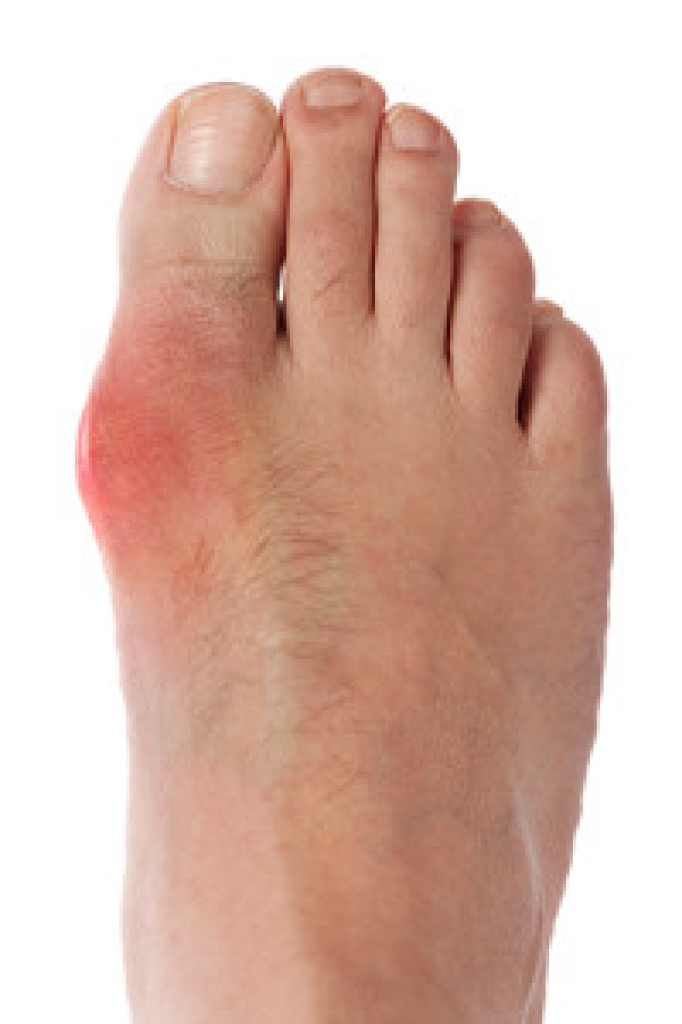
Gout is a form of arthritis that is characterized by sudden, severe attacks of pain, redness, and tenderness in the joints. The condition usually affects the joint at the base of the big toe. A gout attack can occur at any random time, such as the middle of the night while you are asleep.

Symptoms

  • Intense Joint Pain - Usually around the large joint of your big toe, and it most severe within the first four to twelve hours
  • Lingering Discomfort - Joint discomfort may last from a few days to a few weeks
  • Inflammation and Redness -Affected joints may become swollen, tender, warm and red
  • Limited Range of Motion - May experience a decrease in joint mobility

Risk Factors

  • Genetics - If family members have gout, you’re more likely to have it
  • Medications - Diuretic medications can raise uric acid levels
  • Gender/Age - Gout is more common in men until the age of 60. It is believed that estrogen protects women until that point
  • Diet - Eating red meat and shellfish increases your risk
  • Alcohol - Having more than two alcoholic drinks per day increases your risk
  • Obesity - Obese people are at a higher risk for gout

Prior to visiting your podiatrist to receive treatment for gout, there are a few things you should do beforehand. If you have gout you should write down your symptoms--including when they started and how often you experience them, important medical information you may have, and any questions you may have. Writing down these three things will help your podiatrist in assessing your specific situation so that he or she may provide the best route of treatment for you.

If you have any questions, please feel free to contact our offices located in Fort Myers, Shellpoint, and Naples, FL . We offer the newest diagnostic and treatment technologies for all your foot care needs.
Read more about Gout

What Causes Cracked Heels?

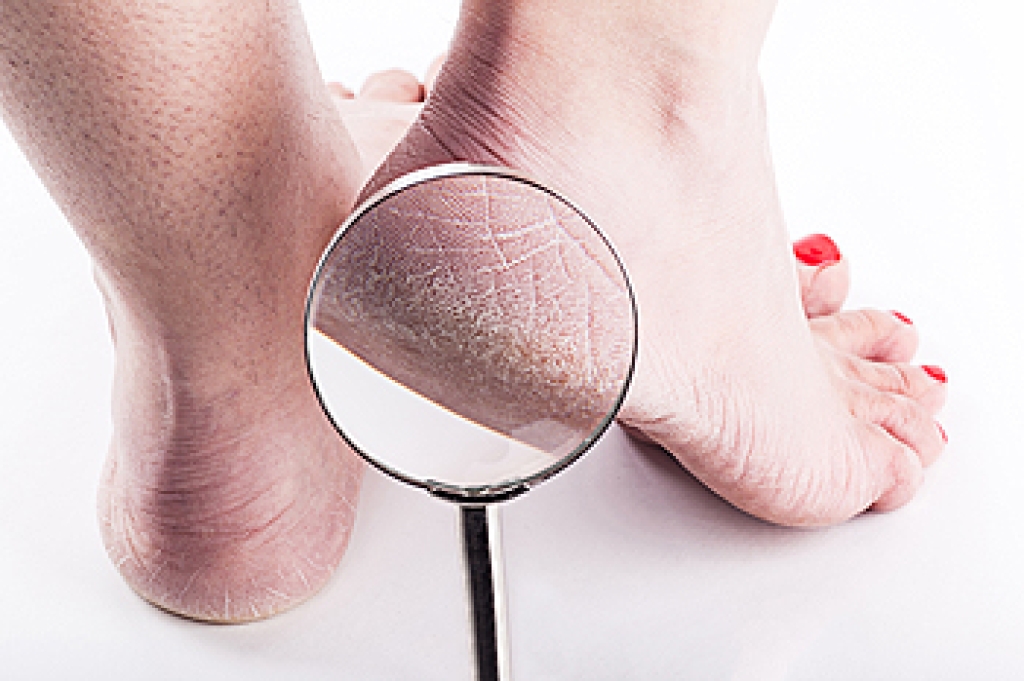
If you stand for extended periods of time you may experience a condition that is referred to as cracked heels. Certain skin conditions that may include psoriasis and eczema may also play a significant role in the development of this condition. The formation of deep cracks, which are also known as fissures, may result in pain and discomfort, and walking may become difficult. The skin on the heels will typically become dry and is usually a result of obesity, wearing shoes that have an open back, and cold winter weather, which may aid in producing dry skin. An effective remedy includes washing and drying the feet thoroughly, followed by utilizing a good moisturizer that will help the skin become soft. It’s advised to consult with a podiatrist if you are afflicted with severely cracked heels, to learn about proper treatment options that are correct for you.

If the skin on your feet starts to crack, you may want to see a podiatrist to find treatment. If you have any concerns, contact one of our podiatrists from APEX Foot & Ankle Center. Our doctors can provide the care you need to keep you pain-free and on your feet.

Cracked Heels

It is important to moisturize your cracked heels in order to prevent pain, bleeding, and infection. The reason cracked heels form is because the skin on the foot is too dry to support the immense pressure placed on them. When the foot expands, the dry skin on the foot begins to split.

Ways to Help Heal Them

  • Invest in a good foot cream
  • Try Using Petroleum Jelly
  • Ease up on Soaps
  • Drink Plenty of Water

Ways to Prevent Cracked Heels

  • Moisturize After Showering
  • Skip a Shower
  • Keep Shower Water Lukewarm
  • Don’t Scrub Your Feet

If you are unsure how to proceed in treating cracked heels, seek guidance from a podiatrist. Your doctor will help you with any questions or information you may need. 

If you have any questions, please feel free to contact our offices located in Fort Myers, Shellpoint, and Naples, FL . We offer the newest diagnostic and treatment technologies for all your foot care needs.
Read more about Solutions for Cracked Heels

How to Maintain Your Feet in the Summer

If you plan to be barefoot in public, you should make sure they look as healthy as possible. One of the best ways to achieve this is to exfoliate your feet to make them smooth and beautiful. Many people opt to do this by investing in a pumice stone to remove dead skin on their feet. The next thing you should do is ensure your feet are hydrated by applying a foot cream. If you want to have your feet professionally maintained, pedicures are a great way to do so. Salons are the ideal place to get your feet maintained in the summer, because nail professionals have the proper tools and skills to take care of your feet. If you want a natural nail color but still want your nails painted, you can try a light, flesh colored nail polish followed by a "mattifying" top coat. The result will give you natural looking nails that don’t appear to be painted. For any questions regarding foot care and maintenance, you shouldn't hesitate to contact your podiatrist.

Everyday foot care is very important to prevent infection and other foot ailments. If you need your feet checked, contact one of our podiatrists from APEX Foot & Ankle Center. Our doctors can provide the care you need to keep you pain-free and on your feet.

Everyday Foot Care

Often, people take care of their bodies, face and hair more so than they do for their feet. But the feet are a very important aspect of our bodies, and one that we should pay more attention to. Without our feet, we would not be able to perform most daily tasks.

It is best to check your feet regularly to make sure there are no new bruises or cuts that you may not have noticed before. For dry feet, moisturizer can easily be a remedy and can be applied as often as necessary to the affected areas. Wearing shoes that fit well can also help you maintain good foot health, as well as making it easier to walk and do daily activities without the stress or pain of ill-fitting shoes, high heels, or even flip flops. Wearing clean socks with closed shoes is important to ensure that sweat and bacteria do not accumulate within the shoe. Clean socks help to prevent Athlete’s foot, fungi problems, bad odors, and can absorb sweat.

If you have any questions, please feel free to contact our offices located in Fort Myers, Shellpoint, and Naples, FL . We offer the newest diagnostic and treatment technologies for all your foot care needs.

Read more about Everyday Foot Care

What is Onychomadesis?

A young woman recently noticed that her toenails were slipping off her toes. She was able to find out that the reason this occurred was because of a fish pedicure she received months prior. Fish pedicures are done by placing the feet in a tub of water containing small fish called Garra rufa. These fish nibble away at calluses and rough cuticles on the skin. Unfortunately for the young women, this pedicure gave her a condition called onychomadesis. Onychomadesis is a condition that causes the nails to begin shedding. This is the first time that a fish pedicure has been found to cause onychomadesis. There are other safety hazards that have been linked to these pedicures, and many of them involve the transmission of infection.

For more information about treatment, contact one of our podiatrists of APEX Foot & Ankle Center. Our doctors can provide the care you need to keep you pain-free and on your feet.

Toenail Fungus Treatment

Toenail fungus is a condition that affects many people and can be especially hard to get rid of. Fortunately, there are several methods to go about treating and avoiding it.

Antifungals & Deterrence

Oral antifungal medicine has been shown to be effective in many cases. It is important to consult with a podiatrist to determine the proper regiment for you, or potentially explore other options.

Applying foot powder on the feet and shoes helps keep the feet free of moisture and sweat.

Sandals or open toed shoes – Wearing these will allow air movement and help keep feet dry. They also expose your feet to light, which fungus cannot tolerate. Socks with moisture wicking material also help as well.

If you have any questions please contact our offices located in Fort Myers, Shellpoint, and Naples, FL . We offer the newest diagnostic and treatment technologies for all your foot and ankle needs.

Read more about Toenail Fungus

How to Deal with Varicose Veins

Veins are a vital part of the human body because they are responsible for sending blood back to the heart. When veins are varicose, the broken valves allow blood to pool in the legs, and the veins become swollen and twisted. Consequently, people with varicose veins will experience some symptoms including skin damage, swelling, discoloration, and ulcers. Many people with the condition have larger varicose veins that require minimally invasive surgical treatment. However, first line treatment usually involves heat therapy or thermal ablation. If you are looking for treatment for your varicose veins, you may be able to find help by seeing a podiatrist.

Vascular testing plays an important part in diagnosing disease like peripheral artery disease. If you have symptoms of peripheral artery disease, or diabetes, consult with one of our podiatrists from APEX Foot & Ankle Center. Our doctors will assess your condition and provide you with quality foot and ankle treatment.

What Is Vascular Testing?

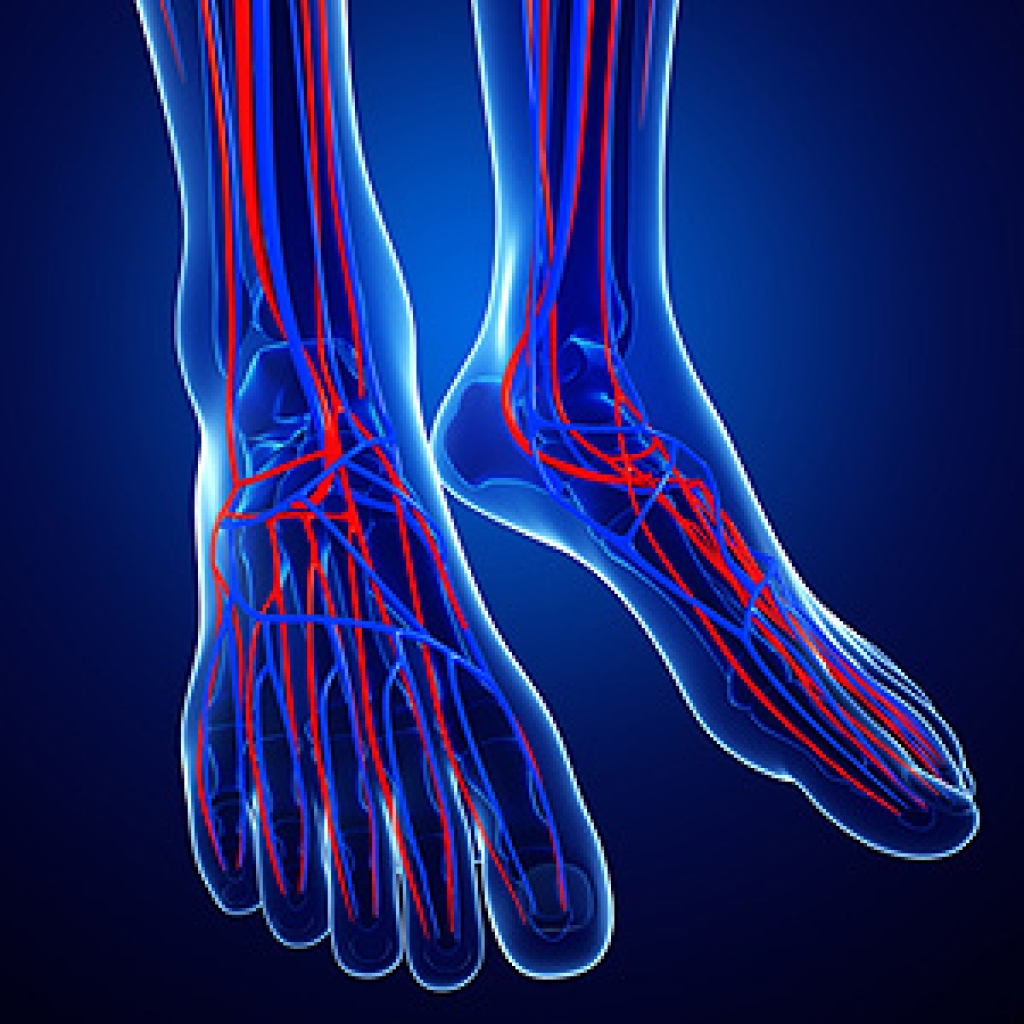
Vascular testing checks for how well blood circulation is in the veins and arteries. This is most often done to determine and treat a patient for peripheral artery disease (PAD), stroke, and aneurysms. Podiatrists utilize vascular testing when a patient has symptoms of PAD or if they believe they might. If a patient has diabetes, a podiatrist may determine a vascular test to be prudent to check for poor blood circulation.

How Is it Conducted?

Most forms of vascular testing are non-invasive. Podiatrists will first conduct a visual inspection for any wounds, discoloration, and any abnormal signs prior to a vascular test.

 The most common tests include:

  • Ankle-Brachial Index (ABI) examination
  • Doppler examination
  • Pedal pulses

These tests are safe, painless, and easy to do. Once finished, the podiatrist can then provide a diagnosis and the best course for treatment.

If you have any questions please contact our offices located in Fort Myers, Shellpoint, and Naples, FL . We offer the newest diagnostic and treatment technologies for all your foot and ankle needs.

Read more about Vascular Testing in Podiatry

Connect With Us

Advanced Podiatric Procedures & Services in the Fort Myers, FL 33908 and Naples, FL 34110 areas