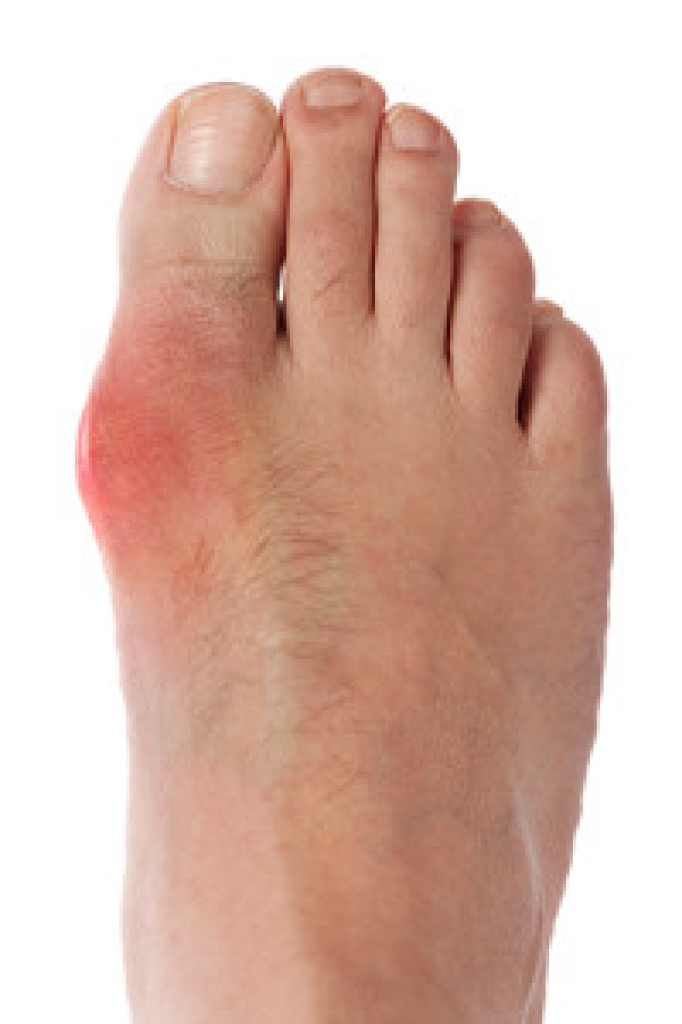
Causes and Symptoms of Gout

If the joint in the big toe becomes red, inflamed, and painful, you may be suffering from a condition referred to as gout. It typically affects men over the age of 40 and can lead to serious health issues, such as kidney disease, if left untreated. There are numerous factors for people to suffer from gout, which may include a predisposed inherited gene, extreme amounts of alcohol being ingested on a regular basis, or taking certain medications. Gout is not easily overlooked, because the symptoms develop rapidly and may be severe. The joint will be tender and swollen, and the skin may feel hot and inflamed. Treatment options will include taking medicine to reduce the inflammation. Additionally, it may be beneficial to consider certain lifestyle changes to prevent further attacks from occurring. Please consider a consultation with a podiatrist for a proper evaluation and the treatment options for you.

Gout is a foot condition that requires certain treatment and care. If you are seeking treatment, contact one of our podiatrists from APEX Foot & Ankle Center. Our doctors will treat your foot and ankle needs.

What Is Gout?

Gout is a type of arthritis caused by a buildup of uric acid in the bloodstream. It often develops in the foot, especially the big toe area, although it can manifest in other parts of the body as well. Gout can make walking and standing very painful and is especially common in diabetics and the obese.

People typically get gout because of a poor diet. Genetic predisposition is also a factor. The children of parents who have had gout frequently have a chance of developing it themselves.

Gout can easily be identified by redness and inflammation of the big toe and the surrounding areas of the foot. Other symptoms include extreme fatigue, joint pain, and running high fevers. Sometimes corticosteroid drugs can be prescribed to treat gout, but the best way to combat this disease is to get more exercise and eat a better diet.

If you have any questions, please feel free to contact our offices located in Fort Myers, Shellpoint, and Naples, FL . We offer the newest diagnostic and treatment technologies for all your foot care needs.
Read more about Everything You Need to Know About Gout

What is a Soft Corn?

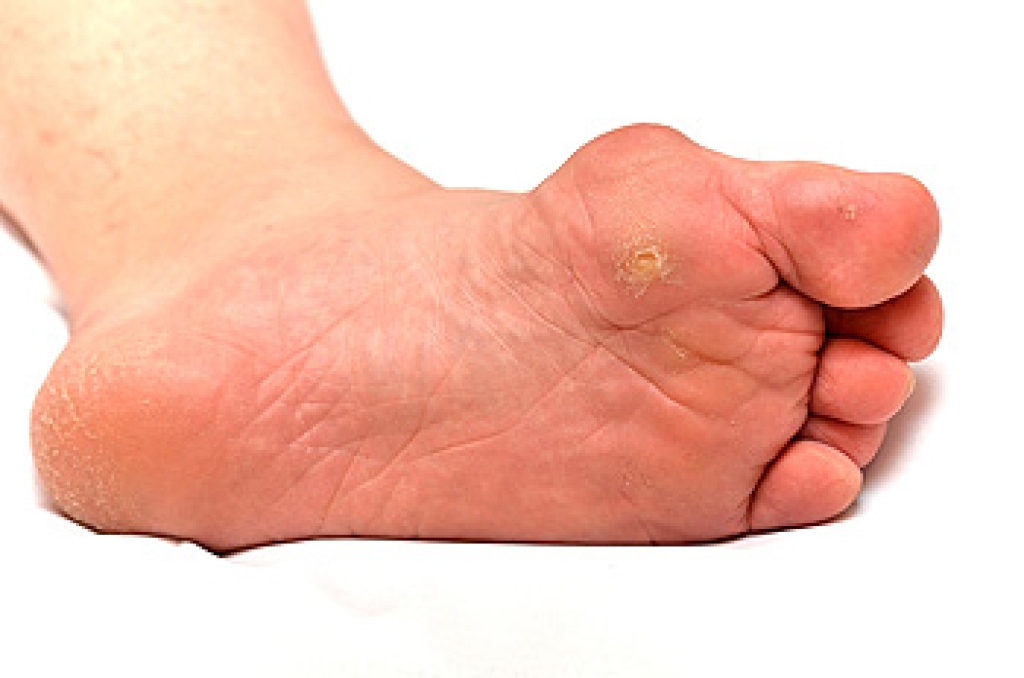
If the skin becomes reddened and painful, you may be experiencing a corn. Whitened skin and inflammation generally accompany a corn, typically causing severe discomfort. Soft corns develop from shoes that fit poorly, causing friction. Moisture between the toes may grow and accumulate, possibly causing an infection. This can be avoided by incorporating washing and drying between the toes into your daily routine. An effective way to prevent corns is to choose shoes that give the toes ample room to move around, in addition to selecting shoes that have enough cushioning and support. If the pain is affecting your daily routine, a consultation with a podiatrist may be suggested for the best options for relief.

If you have any concerns regarding your feet and ankles, contact one of our podiatrists of APEX Foot & Ankle Center. Our doctors will treat your foot and ankle needs.

Corns: What Are They? and How Do You Get Rid of Them?
Corns can be described as areas of the skin that have thickened to the point of becoming painful or irritating. They are often layers and layers of the skin that have become dry and rough, and are normally smaller than calluses.

Ways to Prevent Corns
There are many ways to get rid of painful corns such as wearing:

  • Well-fitting socks
  • Comfortable shoes that are not tight around your foot
  • Shoes that offer support

Treating Corns
Treatment of corns involves removing the dead skin that has built up in the specific area of the foot. Consult with Our doctors to determine the best treatment option for your case of corns.

If you have any questions, please feel free to contact our offices located in Fort Myers, Shellpoint, and Naples, FL . We offer the newest diagnostic and treatment technologies for all your foot care needs.
Read more about Corns: What Are They, and How Do You Get Rid of Them

Exercises to Help Plantar Fasciitis

If you have flat feet, or a loss of the instep in your foot, you may experience heel pain that’s referred to as plantar fasciitis. Severe pain in the heel is often the result of inflammation of the ligament that runs along the bottom of the foot, known as the plantar fascia. This can be caused by wearing shoes that fit poorly or from an injury that damages the tissues. The Achilles tendon, which connects the heel to the foot, may also be affected, and it’s beneficial to incorporate stretching exercises into your daily routine. This will enhance the healing process and possibly relieve any discomfort associated with this ailment. There are several effective exercises which can accomplish this when performed daily. Some of these include standing on a step with the heels slightly hanging off and raising and lowering the leg. Additionally, rolling the arch of the foot over a tennis ball or a similar object will aid in helping the plantar fascia to become stronger.

Plantar fasciitis can be very painful and inconvenient. If you are experiencing heel pain or symptoms of plantar fasciitis, contact one of our podiatrists  from APEX Foot & Ankle Center. Our doctors can provide the care you need to keep you pain-free and on your feet.

What Is Plantar Fasciitis?

Plantar fasciitis is the inflammation of the thick band of tissue that runs along the bottom of your foot, known as the plantar fascia, and causes mild to severe heel pain.

What Causes Plantar Fasciitis?

  • Excessive running
  • Non-supportive shoes
  • Overpronation
  • Repeated stretching and tearing of the plantar fascia

How Can It Be Treated?

  • Conservative measures – anti-inflammatories, ice packs, stretching exercises, physical therapy, orthotic devices
  • Shockwave therapy – sound waves are sent to the affected area to facilitate healing and are usually used for chronic cases of plantar fasciitis
  • Surgery – usually only used as a last resort when all else fails. The plantar fascia can be surgically detached from the heel

While very treatable, plantar fasciitis is definitely not something that should be ignored. Especially in severe cases, speaking to your doctor right away is highly recommended to avoid complications and severe heel pain. Your podiatrist can work with you to provide the appropriate treatment options tailored to your condition.

If you have any questions, please feel free to contact our offices located in Fort Myers, Shellpoint, and Naples, FL . We offer the newest diagnostic and treatment technologies for all your foot care needs.
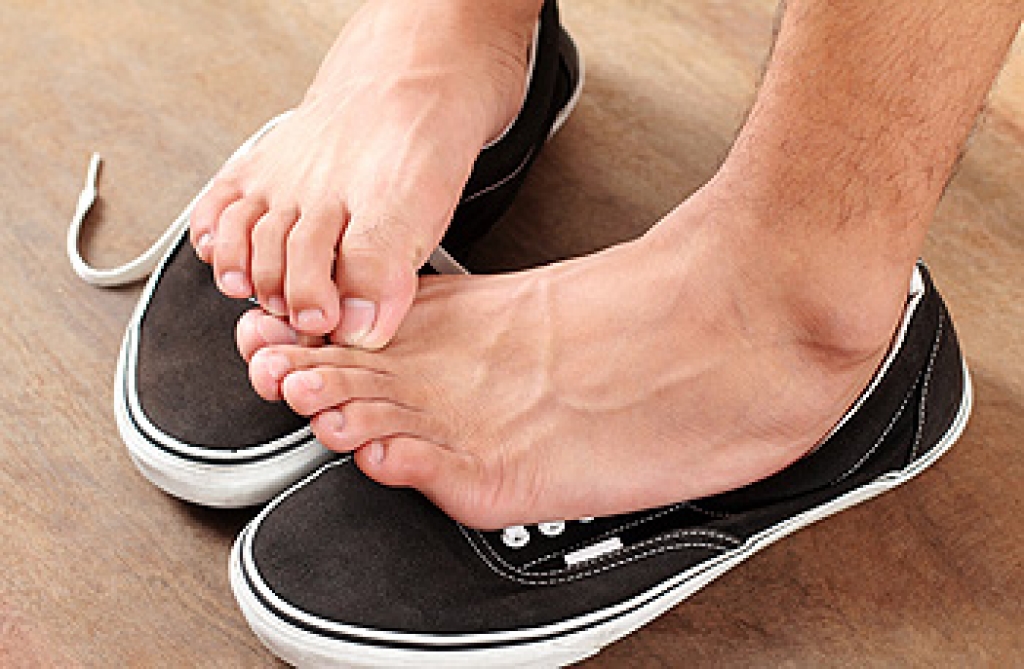
Read more about Plantar Fasciitis

How to Prevent Blisters From Developing

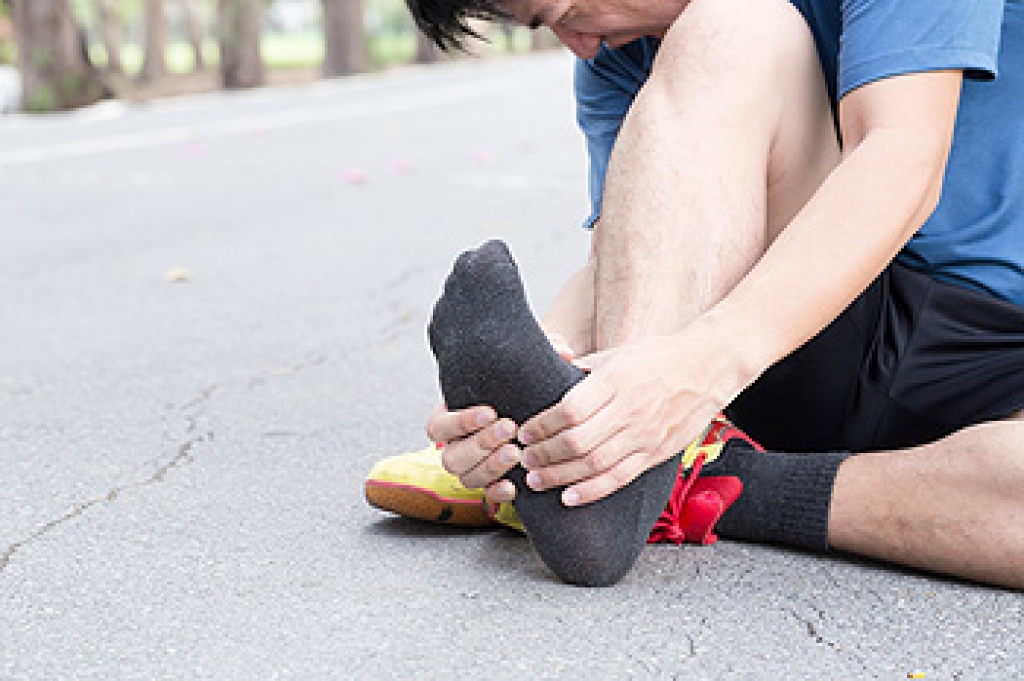
A common condition that many runners endure are blisters on the feet. Blisters often cause discomfort and may force the ceasing of the activity that caused them to develop. If you choose to wear cotton socks while running, they will most likely absorb the sweat the feet produce, and friction will occur to develop a blister. Wearing socks that are synthetic may eliminate the sweat and may be a better option to choose, helping to stop blisters from developing.

Blisters are prone to making everyday activities extremely uncomfortable. If your feet are hurting, contact one of our podiatrists of APEX Foot & Ankle Center. Our doctors can provide the care you need to keep you pain-free and on your feet.

Foot Blisters

Foot blisters develop as a result of constantly wearing tight or ill-fitting footwear. This happens due to the constant rubbing from the shoe, which can often lead to pain.

What Are Foot Blisters?

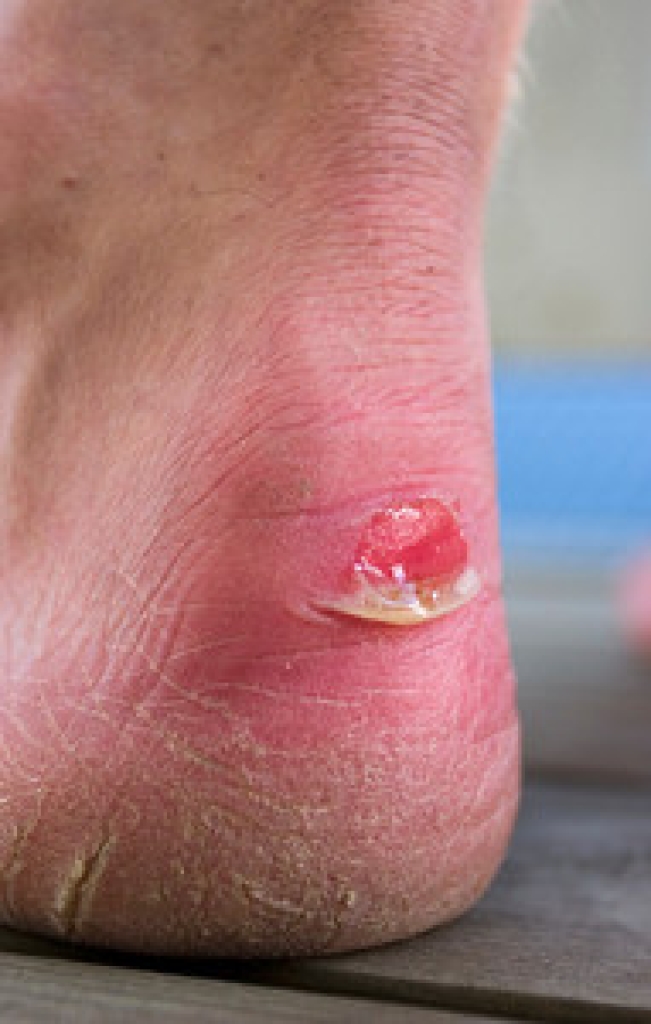
A foot blister is a small fluid-filled pocket that forms on the upper-most layer of the skin. Blisters are filled with clear fluid and can lead to blood drainage or pus if the area becomes infected.

How Do Blisters Form?

Blisters on the feet are often the result of constant friction of skin and material, usually by shoe rubbing. Walking in sandals, boots, or shoes that don’t fit properly for long periods of time can result in a blister. Having consistent foot moisture and humidity can easily lead to blister formation.

Prevention & Treatment

It is important to properly care for the affected area in order to prevent infection and ease the pain. Do not lance the blister and use a Band-Aid to provide pain relief. Also, be sure to keep your feet dry and wear proper fitting shoes. If you see blood or pus in a blister, seek assistance from a podiatrist.

If you have any questions, please feel free to contact our offices located in Fort Myers, Shellpoint, and Naples, FL . We offer the newest diagnostic and treatment technologies for all your foot care needs.
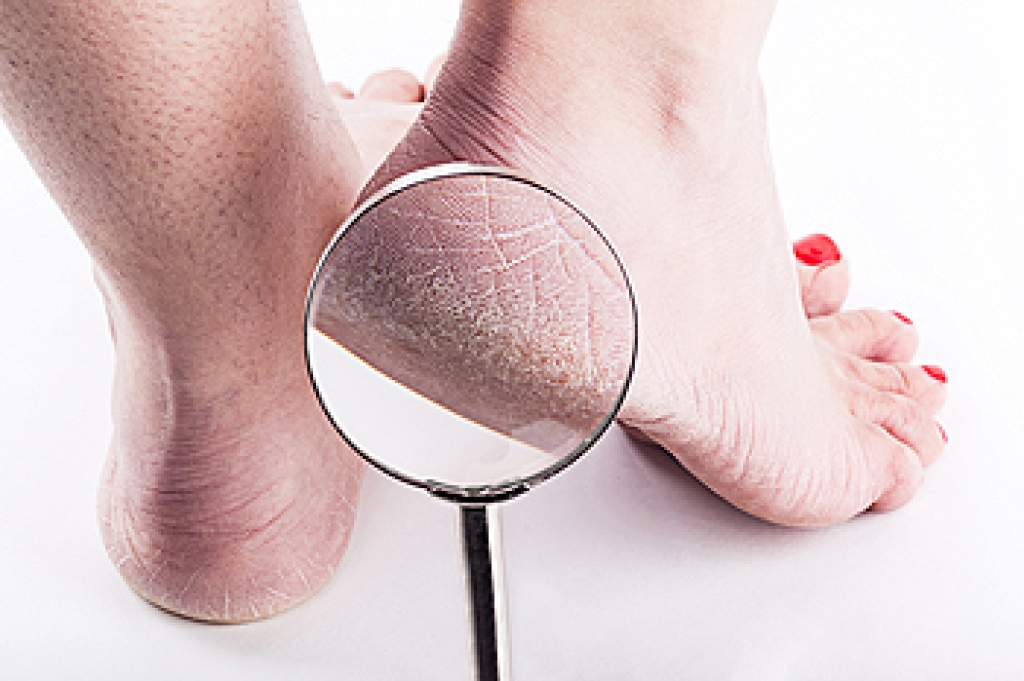
Read more about Blisters on the Feet

Nail Salons and Fungal Infections

According to a recent Rutgers University study in the Journal of Chemical Health and Safety, 52 percent of people who visited a nail salon three times in a year had suffered from a skin infection.  There are a number of reasons why this might be.  Improperly cleaned tools, harsh chemicals like formaldehyde, UV light exposure, or an infected environment all put nail salon patrons at risk for infections.  Common infections include athlete’s foot, toenail fungus, contact dermatitis, and even hepatitis in some cases.  A number of responders to the study also reported suffering from respiratory conditions after going to a salon as well.  If you would still like to go to a nail salon, make sure they properly sterilize their tools, and avoid anything that contains harsh chemicals.

Athlete’s foot is an inconvenient condition that can be easily reduced with the proper treatment. If you have any concerns about your feet and ankles, contact one of our podiatrists from APEX Foot & Ankle Center.  Our doctors will treat your foot and ankle needs.

Athlete’s Foot: The Sole Story

Athlete's foot, also known as tinea pedis, can be an extremely contagious foot infection. It is commonly contracted in public changing areas and bathrooms, dormitory style living quarters, around locker rooms and public swimming pools, or anywhere your feet often come into contact with other people.

Solutions to Combat Athlete’s Foot

  • Hydrate your feet by using lotion
  • Exfoliate
  • Buff off nails
  • Use of anti-fungal products
  • Examine your feet and visit your doctor if any suspicious blisters or cuts develop

Athlete’s foot can cause many irritating symptoms such as dry and flaking skin, itching, and redness. Some more severe symptoms can include bleeding and cracked skin, intense itching and burning, and even pain when walking. In the worst cases, Athlete’s foot can cause blistering as well. Speak to your podiatrist for a better understanding of the different causes of Athlete’s foot, as well as help in determining which treatment options are best for you.

If you have any questions please feel free to contact our offices located in Fort Myers, Shellpoint, and Naples, FL . We offer the newest diagnostic and treatment technologies for all your foot and ankle needs.

Read more about Athlete's Foot

Causes of Cracked Heels

If you experience cracked heels, it may be the result of wearing non-supportive shoes such as flip-flops or open-back sandals. These types of shoes have little or no support at the back of the foot, often causing the heel to endure excessive strain. A hardened patch of skin, referred to as a callus, will often form to protect the heel against this added pressure. The skin on the heel may also begin to crack. A possible reason for cracked heels may be the extra pressure the heel must endure when standing on hard floors for long periods at a time. There are pre-existing medical conditions that should be considered as well, such as thyroid conditions, eczema, or diabetes. Several options are available to make your heels feel better, including using a moisturizer that softens the skin and soaking the feet in warm, soapy water. If you experience cracked heels that hinder your daily activities, please consider a consultation with a podiatrist for a proper assessment.

Cracked heels are unsightly and can cause further damage to your shoes and feet. If you have any concerns, contact one of our podiatrists from APEX Foot & Ankle Center. Our doctors can provide the care you need to keep you pain-free and on your feet.

Cracked Heels

Cracked heels appear unappealing and can make it harder for you walk around in sandals. Aside from looking unpleasant, cracked heels can also tear stockings, socks, and wear out your shoes. There are several methods to help restore a cracked heel and prevent further damage.

How Do You Get Them?

Dry skin is the number one culprit in creating cracked heels. Many athletes, walkers, joggers, and even swimmers suffer from cracked heels. Age and skin oil production play a role to getting cracked heels as well.

Promote Healing

Over the counter medicines can help, especially for those that need instant relief or who suffer from chronic dry feet.

Wear Socks – Wearing socks with medicated creams helps lock in moisture.

Moisturizers – Applying both day and night will help alleviate dryness which causes cracking.

Pumice Stones – These exfoliate and remove dead skin, which allows for smoother moisturizer application and better absorption into the skin. 

Change in Diet

Eating healthy with a well-balanced diet will give the skin a fresh and radiant look. Your body responds to the kinds of food you ingest. Omega-3 fatty acids and zinc supplements can also revitalize skin tissue.

Most importantly, seek professional help if unsure how to proceed in treating cracked heels. A podiatrist will help you with any questions or information needed. 

If you have any questions, please feel free to contact our offices located in Fort Myers, Shellpoint, and Naples, FL . We offer the newest diagnostic and treatment technologies for all your foot care needs.
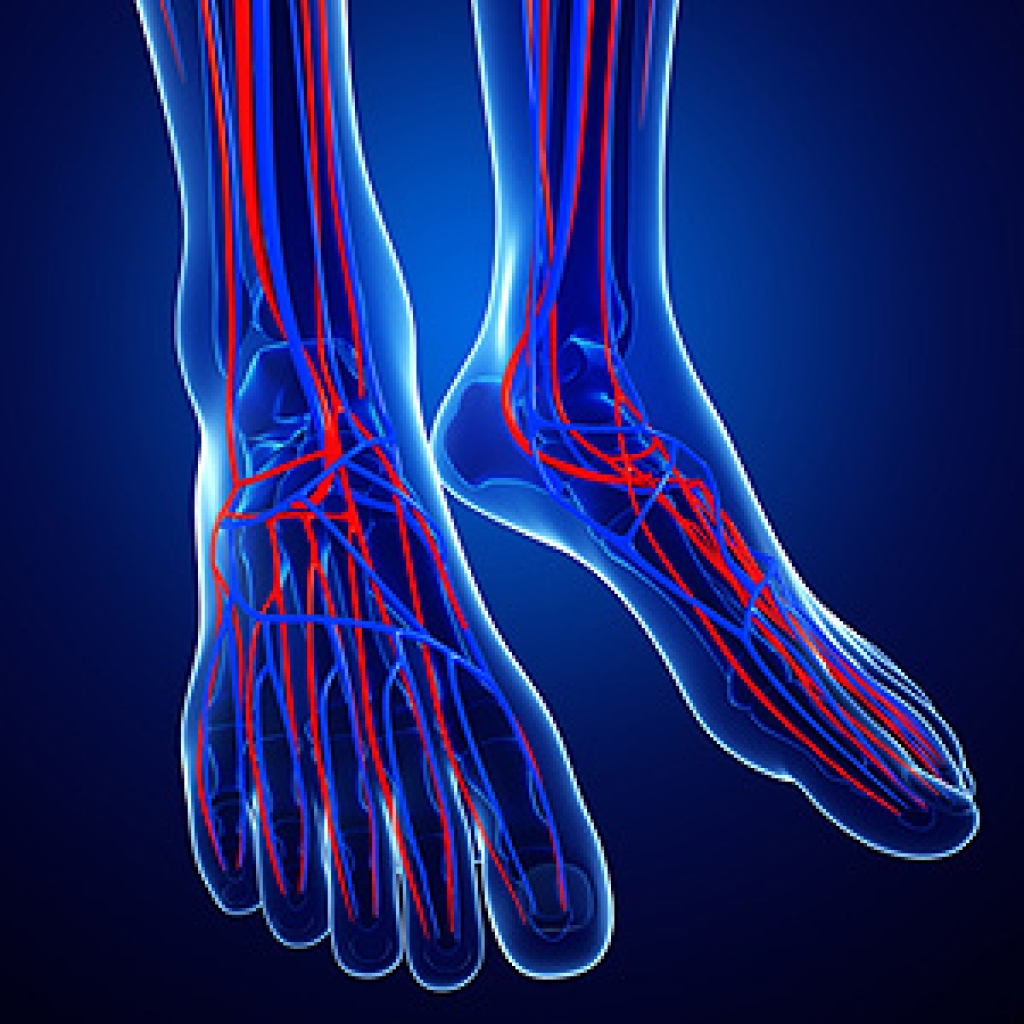
Read more about Solutions for Cracked Heels

Causes of Poor Circulation

There are many causes of poor circulation in the feet, and two of the most common causes are diabetes and atherosclerosis. The latter is a process where fat builds up and narrows the blood vessels, making it difficult for the blood to flow. Some of the symptoms experienced may be cold feet, pain while walking, or the feet appearing pale. If you smoke, you may want to consider stopping because this may improve circulation. When healthy lifestyle habits are practiced, the chances of having poor circulation is decreased. This includes eating fruits and vegetables, in addition to drinking plenty of fresh water. It’s important to limit unhealthy fare such as foods that are fried, cream desserts, and fast foods. Making the decision to exercise will not only improve poor circulation, but will also benefit the entire body. Be sure to speak with a podiatrist if you think you have poor circulation in the feet.

Poor circulation is a serious condition and needs immediate medical attention. If you have any concerns with poor circulation in your feet contact one of our podiatrists of APEX Foot & Ankle Center. Our doctors will treat your foot and ankle needs.

Poor Circulation in the Feet

Poor blood circulation in the feet and legs is can be caused by peripheral artery disease (PAD), which is the result of a buildup of plaque in the arteries.

Plaque buildup or atherosclerosis results from excess calcium and cholesterol in the bloodstream. This can restrict the amount of blood which can flow through the arteries. Poor blood circulation in the feet and legs are sometimes caused by inflammation in the blood vessels, known as vasculitis.

Causes

Lack of oxygen and oxygen from poor blood circulation restricts muscle growth and development. It can also cause:

  • Muscle pain, stiffness, or weakness 
  • Numbness or cramping in the legs
  • Skin discoloration
  • Slower nail & hair growth
  • Erectile dysfunction

Those who have diabetes or smoke are at greatest risk for poor circulation, as are those who are over 50. If you have poor circulation in the feet and legs it may be caused by PAD and is important to make changes to your lifestyle in order to reduce risk of getting a heart attack or stroke. Exercise and maintaining a healthy lifestyle will dramatically improve conditions.

As always, see a podiatrist as he or she will assist in finding a regimen that suits you. A podiatrist can also prescribe you any needed medication. 

If you have any questions, please feel free to contact our offices located in Fort Myers, Shellpoint, and Naples, FL . We offer the newest diagnostic and treatment technologies for all your foot care needs.

Read more about Causes, Symptoms, and Treatment of Poor Blood Circulation in the Feet

Foot Surgery May Help My Feet to Feel Better

If having a bunion is affecting your everyday activities, surgery may be a viable treatment option. The level of pain is generally lessened when the big toe is straightened, and recovery from surgery may involve wearing a surgical shoe for a few weeks. A permanently bent toe, known as hammertoe, can also be helped by surgery. The procedure removes the deformed joint between the toes, thus increasing flexibility. If the joint lining becomes inflamed, which can occur in certain forms of arthritis, surgery may be suggested to make the foot feel more comfortable. Another form of foot surgery is having an ankle fusion performed, in which case the ankle joint is removed and your foot is fused to your leg. Recovery generally involves wearing a cast for 6-12 weeks depending upon the severity of the surgery. It’s likely that normal shoes may be worn after the recovery, and the foot will feel more comfortable.

Foot surgery is sometimes necessary to treat a foot ailment. To learn more, contact one of our podiatrists of APEX Foot & Ankle Center. Our doctors will assist you with all of your foot and ankle needs.

When Is Surgery Necessary?

Foot and ankle surgery is generally reserved for cases in which less invasive, conservative procedures have failed to alleviate the problem. Some of the cases in which surgery may be necessary include:

  • Removing foot deformities like bunions and bone spurs
  • Severe arthritis that has caused bone issues
  • Cosmetic reconstruction

What Types of Surgery Are There?

The type of surgery you receive will depend on the nature of the problem you have. Some of the possible surgeries include:

  • Bunionectomy for painful bunions
  • Surgical fusion for realignment of bones
  • Neuropathy decompression surgery to treat nerve damage

Benefits of Surgery

Although surgery is usually a last resort, it can provide more complete pain relief compared to non-surgical methods and may allow you to finally resume full activity.

Surgical techniques have also become increasingly sophisticated. Techniques like endoscopic surgery allow for smaller incisions and faster recovery times.

If you have any questions, please feel free to contact our offices located in Fort Myers, Shellpoint, and Naples, FL . We offer the newest diagnostic and treatment technologies for all your foot care needs.
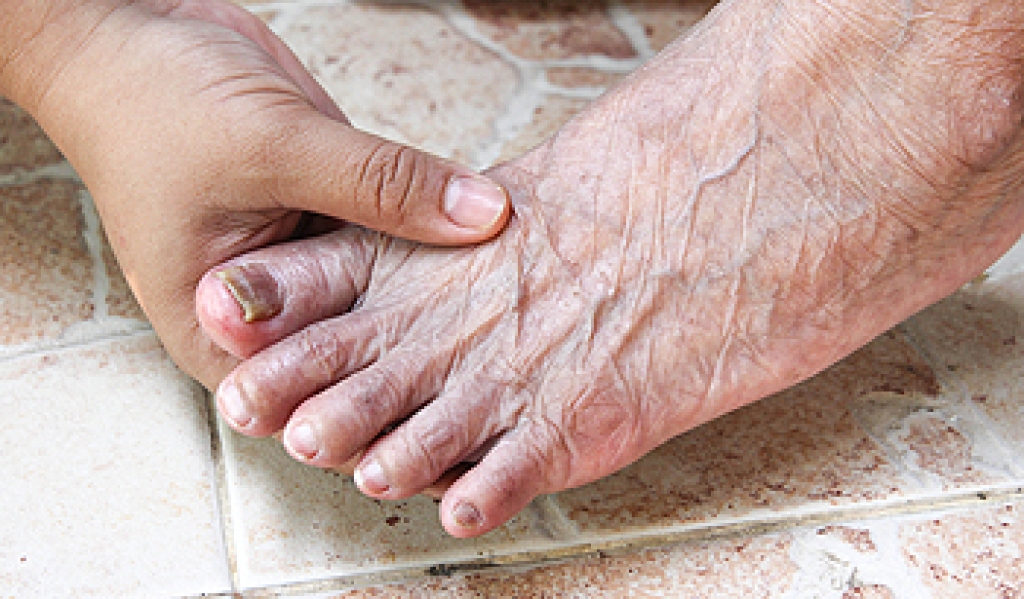
Read more about Foot Surgery

How To Prevent Toenail Fungus

If your toenails become thick and begin turning yellow, chances are you may have a fungal infection. Also referred to as onychomycosis (OM), many people suffer from this, especially those afflicted with other health issues including diabetes or a weakened immune system. This type of fungus grows and lives in moist environments that are warm, typically affecting people whose feet sweat frequently. The infection may occur because of small cuts on the toes or under the nail, thereby allowing the fungi to enter. Prevention of this condition may include drying the feet thoroughly, keeping nails short, and wearing proper footwear in public showers. Please consider a consultation with a podiatrist for optimum treatment options.

For more information about treatment, contact one of our podiatrists of APEX Foot & Ankle Center. Our doctors can provide the care you need to keep you pain-free and on your feet.

Toenail Fungus Treatment

Toenail fungus is a condition that affects many people and can be especially hard to get rid of. Fortunately, there are several methods to go about treating and avoiding it.

Antifungals & Deterrence

Oral antifungal medicine has been shown to be effective in many cases. It is important to consult with a podiatrist to determine the proper regiment for you, or potentially explore other options.

Applying foot powder on the feet and shoes helps keep the feet free of moisture and sweat.

Sandals or open toed shoes – Wearing these will allow air movement and help keep feet dry. They also expose your feet to light, which fungus cannot tolerate. Socks with moisture wicking material also help as well.

If you have any questions please contact our offices located in Fort Myers, Shellpoint, and Naples, FL . We offer the newest diagnostic and treatment technologies for all your foot and ankle needs.

Read more about Toenail Fungus

Reasons for Swollen Feet During Pregnancy

Additional fluid developing in the body due to pregnancy is often the cause of swollen feet and ankles. Although it’s generally not harmful, it is typically uncomfortable, especially during warmer weather. There are several ways to ease the swelling, which may include wearing shoes that are comfortable, resting, elevating the feet, and doing your best to eliminate long periods of standing. Performing foot exercises may also be beneficial in reducing swelling and preventing cramps. Some of these may include pointing, flexing, and rotating your foot several times, thus promoting improved circulation. Occasionally, swelling in the feet may be a symptom of more serious conditions. If you have swelling in your feet, make sure to see a doctor.

Pregnant women with swollen feet can be treated with a variety of different methods that are readily available. For more information about other cures for swollen feet during pregnancy, consult with one of our podiatrists from APEX Foot & Ankle Center. Our doctors will attend to all of your foot and ankle needs.

What Foot Problems Can Arise During Pregnancy?

One problem that can occur is overpronation, which occurs when the arch of the foot flattens and tends to roll inward.  This can cause pain and discomfort in your heels while you’re walking or even just standing up, trying to support your baby.  

Another problem is edema, or swelling in the extremities. This often affects the feet during pregnancy but tends to occur in the later stages. 

How Can I Keep My Feet Healthy During Pregnancy?

  • Wearing orthotics can provide extra support for the feet and help distribute weight evenly
  • Minimize the amount of time spent walking barefoot
  • Wear shoes with good arch support
  • Wear shoes that allow for good circulation to the feet
  • Elevate feet if you experience swelling
  • Massage your feet
  • Get regular, light exercise, such as walking, to promote blood circulation to the feet

If you have any questions, please feel free to contact our offices located in Fort Myers, Shellpoint, and Naples, FL . We offer the newest diagnostic and treatment technologies for all your foot care needs.

Read more about Pregnancy and Foot Health

Connect With Us

Advanced Podiatric Procedures & Services in the Fort Myers, FL 33908 and Naples, FL 34110 areas