High Heels Can Be Problematic for Women

In the realm of women's fashion, high heels often take center stage. However, this type of shoe can lead to a number of potential foot, toe, and ankle problems. For instance, the classic pump can be a double-edged sword for fashion enthusiasts. The rigid material and elevated height may contribute to the development of a painful knot on the back of the heel, commonly referred to as a pump bump. This not only causes discomfort but can also lead to blisters, swelling, bursitis, and persistent Achilles tendon pain. Ultra-high heels force the feet into a position that places excessive stress on the ball of the foot. This heightened pressure can result in inflammation of the metatarsal and sesamoid bones, as well as the toe bones, potentially leading to hairline fractures. Many high heel shoes have a narrow toe box that can lead to toe problems, like bunions and hammertoe. The risk of ankle sprains is common for those wearing high heels, as the concentration of weight on a small area increases the chances of wobbling and tripping. Prioritizing both style and foot health is not only a wise choice but a necessary one. If you have incurred a foot problem or injury caused by frequently wearing high heels, it is suggested that you make an appointment with a podiatrist who can provide appropriate treatment.

High heels have a history of causing foot and ankle problems. If you have any concerns about your feet or ankles, contact one of our podiatrists from APEX Foot & Ankle Center. Our doctors can provide the care you need to keep you pain-free and on your feet.

Effects of High Heels on the Feet

High heels are popular shoes among women because of their many styles and societal appeal.  Despite this, high heels can still cause many health problems if worn too frequently.

Which Parts of My Body Will Be Affected by High Heels?

  • Ankle Joints
  • Achilles Tendon – May shorten and stiffen with prolonged wear
  • Balls of the Feet
  • Knees – Heels cause the knees to bend constantly, creating stress on them
  • Back – They decrease the spine’s ability to absorb shock, which may lead to back pain.  The vertebrae of the lower back may compress.

What Kinds of Foot Problems Can Develop from Wearing High Heels?

  • Corns
  • Calluses
  • Hammertoe
  • Bunions
  • Morton’s Neuroma
  • Plantar Fasciitis

How Can I Still Wear High Heels and Maintain Foot Health?

If you want to wear high heeled shoes, make sure that you are not wearing them every day, as this will help prevent long term physical problems.  Try wearing thicker heels as opposed to stilettos to distribute weight more evenly across the feet.  Always make sure you are wearing the proper shoes for the right occasion, such as sneakers for exercising.  If you walk to work, try carrying your heels with you and changing into them once you arrive at work.  Adding inserts to your heels can help cushion your feet and absorb shock. Full foot inserts or metatarsal pads are available. 

If you have any questions, please feel free to contact our offices located in Fort Myers, Shellpoint, and Naples, FL . We offer the newest diagnostic and treatment technologies for all your foot care needs.

Read more about Effect of High Heels on the Feet

Treatment of Morton’s Neuroma

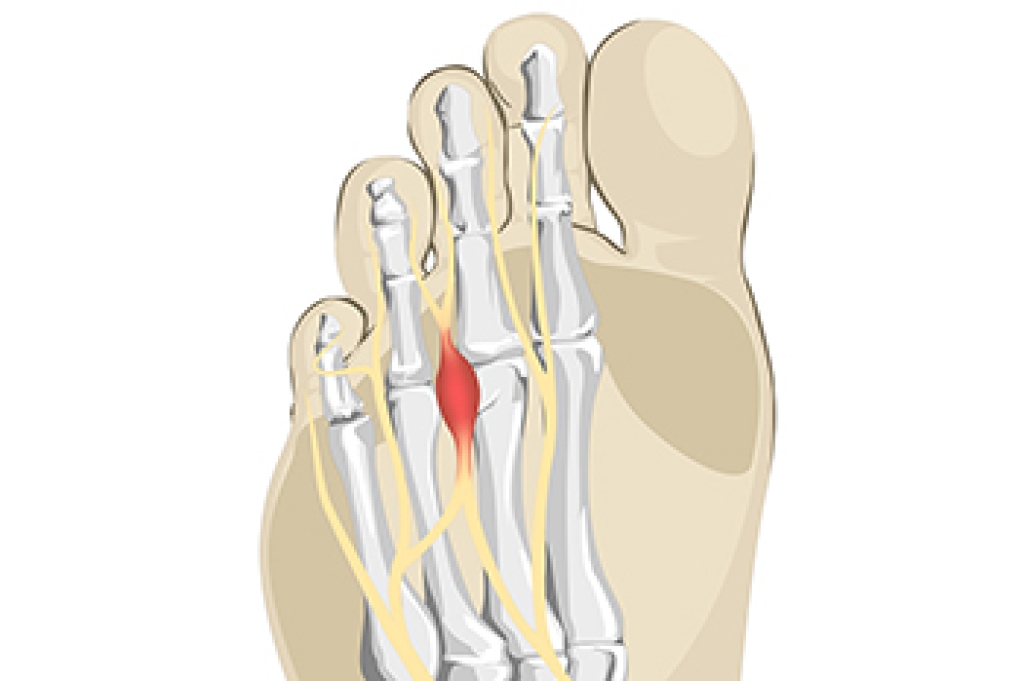
A podiatrist manages Morton's neuroma, which is a painful condition involving thickened nerve tissue between the toes. Morton's neuroma typically feels like a sharp, burning pain in the ball of the foot, often with a sensation that is likened to a small rock or pebble inside the shoe under the forefoot. It may also feel like a stinging, burning, or numbing sensation in the toes adjacent to the neuroma. The discomfort from Morton's neuroma is generally felt between the third and fourth toes, but can also occur in other parts of the foot. Activities that involve pressure on the forefoot, such as walking or running, can exacerbate the pain. Initial treatments may include wearing proper footwear with a wide toe box and low heels, custom orthotic devices to alleviate pressure, and padding techniques. If these conservative measures fail, the podiatrist may administer corticosteroid injections to reduce inflammation and pain. In cases where non-surgical treatments do not provide relief, the podiatrist may recommend surgery, which involves either removing the affected nerve or releasing the tissue surrounding it to relieve pressure. If you believe you have Morton's neuroma, it is suggested that you make an appointment with a podiatrist who can begin appropriate and effective treatment.

Morton’s neuroma is a very uncomfortable condition to live with. If you think you have Morton’s neuroma, contact one of our podiatrists of APEX Foot & Ankle Center. Our doctors will attend to all of your foot care needs and answer any of your related questions.  

Morton’s Neuroma

Morton's neuroma is a painful foot condition that commonly affects the areas between the second and third or third and fourth toe, although other areas of the foot are also susceptible. Morton’s neuroma is caused by an inflamed nerve in the foot that is being squeezed and aggravated by surrounding bones.

What Increases the Chances of Having Morton’s Neuroma?

  • Ill-fitting high heels or shoes that add pressure to the toe or foot
  • Jogging, running or any sport that involves constant impact to the foot
  • Flat feet, bunions, and any other foot deformities

Morton’s neuroma is a very treatable condition. Orthotics and shoe inserts can often be used to alleviate the pain on the forefront of the feet. In more severe cases, corticosteroids can also be prescribed. In order to figure out the best treatment for your neuroma, it’s recommended to seek the care of a podiatrist who can diagnose your condition and provide different treatment options.

If you have any questions, please feel free to contact our offices located in Fort Myers, Shellpoint, and Naples, FL . We offer the newest diagnostic and treatment technologies for all your foot care needs.

Read more about What is Morton's Neuroma?

What Is Turf Toe?

Turf toe is an injury to the big toe's ligaments, commonly afflicting athletes like those who play football or soccer as they often play on artificial surfaces. It arises when there is excessive force exerted on the toe's metatarsophalangeal, or MTP, joints, through actions such as sprinting or jumping. This injury can also happen to dancers and gymnasts, given their frequent hard surface toe flexes. Turf toe can result from overextending the big toe upwards, which can happen due to various activities that stress the toe, such as certain sports movements, wearing heels, or improper walking. The risk may increase by choosing to wear footwear that is too tight.  The toe's joint and the sesamoid bones within the tendons bear the body's weight and aid movement. If these are forced backward beyond their limit, or if the toe stays flat instead of lifting during motion, the ligaments can strain or tear. Turf toe may occur in an instant from a sharp movement, or it may happen gradually from repetitive strain. This is generally a minor ailment, sidestepping the need for surgery. Symptoms range from pain and swelling to a snapping sensation during the incident. Initial mild symptoms can worsen with continuous stress, potentially leading to severe and immediate manifestations upon injury. If you suffer from toe pain, it is suggested that you make an appointment with a podiatrist for a proper diagnosis and treatment.

Toe pain can disrupt your daily activities. If you have any concerns, contact one of our podiatrists of APEX Foot & Ankle Center. Our doctors can provide the care you need to keep you pain-free and on your feet.

What Causes Toe Pain?

Most severe toe pain is caused due to a sports injury, trauma from dropping something heavy on the toe, or bumping into something rigid. Other problems can develop over time for various reasons.

Toe pain can be caused by one or more ailments. The most common include:

  • Trauma
  • Sports injury
  • Wearing shoes that are too tight
  • Arthritis
  • Gout
  • Corns and calluses
  • Hammertoe
  • Bunions
  • Blisters
  • Ingrown toenails
  • Sprains
  • Fractures (broken bones)
  • Dislocations

When to See a Podiatrist

  • Severe pain
  • Persistent pain that lasts more than a week
  • Signs of infection
  • Continued swelling
  • Pain that prevents walking

Diagnosis

In many cases the cause of toe pain is obvious, but in others, a podiatrist may want to use more advanced methods to determine the problem. These can range from simple visual inspections and sensation tests to X-rays and MRI scans. Prior medical history, family medical history, and any recent physical traumatic events will all be taken into consideration for a proper diagnosis.

Treatment

Treatments for toe pain and injuries vary and may include shoe inserts, padding, taping, medicines, injections, and in some cases, surgery. If you believe that you have broken a toe, please see a podiatrist as soon as possible.

If you have any questions please contact our offices located in Fort Myers, Shellpoint, and Naples, FL . We offer the newest diagnostic and treatment technologies for all your foot and ankle needs.

Read more about Toe Pain

Plantar Warts Can Be Treated!

Plantar warts are small growths that develop on parts of the feet that bear weight. They're typically found on the bottom of the foot. Don't live with plantar warts, and call us today!

The Dangers of Excessive Supination

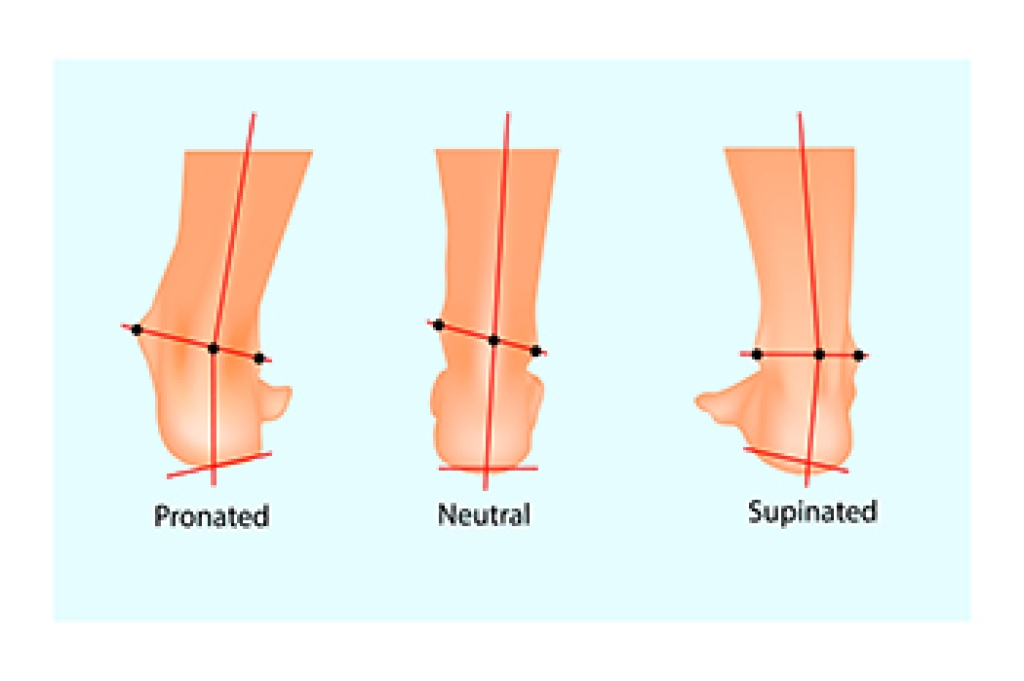
Supination, or underpronation, occurs when your body weight shifts to the outer edges of your feet during walking or running. In a normal stride, your foot should gently roll inward, or pronate, distributing your weight evenly across the ball of the foot, and pushing off using the big toe. In supination, most of the weight is on the outer edge, with push-off from the outer toes. These faulty foot mechanics can have significant implications for overall health. Excessive supination can lead to issues such as back and hip pain, knee stress, ankle injuries, and heel pain. The abnormal weight distribution also increases the risk of chronic pain and injuries, and makes you more susceptible to ankle problems and other foot conditions. Supination can result from inherited structural problems in the foot, like high arches. Weakness in the muscles of the foot, ankle, and leg can also contribute. Footwear that lacks sufficient support, body misalignment, or prior foot injuries that have damaged tendons or muscles can also be factors. To address problems caused by excessive supination, it is suggested that you make an appointment with a podiatrist who can diagnose your structural foot problems, perform a gait analysis, and provide appropriate treatment options.

If you have any concerns about your feet, contact one of our podiatrists from APEX Foot & Ankle Center. Our doctors can provide the care you need to keep you pain-free and on your feet.

Biomechanics in Podiatry

Podiatric biomechanics is a particular sector of specialty podiatry with licensed practitioners who are trained to diagnose and treat conditions affecting the foot, ankle and lower leg. Biomechanics deals with the forces that act against the body, causing an interference with the biological structures. It focuses on the movement of the ankle, the foot and the forces that interact with them.

A History of Biomechanics

  • Biomechanics dates back to the BC era in Egypt where evidence of professional foot care has been recorded.
  • In 1974, biomechanics gained a higher profile from the studies of Merton Root, who claimed that by changing or controlling the forces between the ankle and the foot, corrections or conditions could be implemented to gain strength and coordination in the area.

Modern technological improvements are based on past theories and therapeutic processes that provide a better understanding of podiatric concepts for biomechanics. Computers can provide accurate information about the forces and patterns of the feet and lower legs.

Understanding biomechanics of the feet can help improve and eliminate pain, stopping further stress to the foot.

If you have any questions please feel free to contact our offices located in Fort Myers, Shellpoint, and Naples, FL . We offer the newest diagnostic and treatment technologies for all your foot and ankle needs.

Read more about The Importance of Biomechanics in Podiatry

The Safety of Outpatient Foot and Ankle Surgeries

It is generally safe for individuals to have outpatient foot and ankle surgeries at freestanding ambulatory surgery centers, a phenomenon becoming more common in the podiatry field. This trend offers cost savings and efficiency compared to traditional hospital settings. Because of unique postoperative challenges, it is necessary to make sure these facilities can handle such procedures. Foot and ankle surgeries can carry a higher risk of infection, with diabetes as a common comorbidity, and blood clots, perhaps from swift patient discharge. If you are facing foot surgery, it is suggested that you make an appointment with a podiatrist to see if outpatient surgery will work for you.

Foot surgery is sometimes necessary to treat a foot ailment. To learn more, contact one of our podiatrists of APEX Foot & Ankle Center. Our doctors will assist you with all of your foot and ankle needs.

When Is Surgery Necessary?

Foot and ankle surgery is generally reserved for cases in which less invasive, conservative procedures have failed to alleviate the problem. Some of the cases in which surgery may be necessary include:

  • Removing foot deformities like bunions and bone spurs
  • Severe arthritis that has caused bone issues
  • Cosmetic reconstruction

What Types of Surgery Are There?

The type of surgery you receive will depend on the nature of the problem you have. Some of the possible surgeries include:

  • Bunionectomy for painful bunions
  • Surgical fusion for realignment of bones
  • Neuropathy decompression surgery to treat nerve damage

Benefits of Surgery

Although surgery is usually a last resort, it can provide more complete pain relief compared to non-surgical methods and may allow you to finally resume full activity.

Surgical techniques have also become increasingly sophisticated. Techniques like endoscopic surgery allow for smaller incisions and faster recovery times.

If you have any questions, please feel free to contact our offices located in Fort Myers, Shellpoint, and Naples, FL . We offer the newest diagnostic and treatment technologies for all your foot care needs.
Read more about Foot and Ankle Surgery

Treatment and Recovery for Broken Ankles

Dealing with a broken ankle can be both painful and challenging. The first step is to seek medical attention for diagnosis through an X-ray. The treatment approach will depend on the severity of the fracture. Treatment options include using a specialized boot or a plaster cast to stabilize the ankle, possible bone manipulation under anesthesia, or even surgical intervention. Regular follow-up appointments are essential to monitor healing progress. Once diagnosed and treated, the recovery process begins. Healing typically takes 6 to 8 weeks or longer, depending on the severity of the break. Specific post-treatment instructions include how long the boot or cast will be needed and guidelines for weight-bearing. Gradual ankle movement and prescribed exercises may be recommended to prevent stiffness. Other recovery tips include resting and elevating the ankle, taking prescribed pain relievers, and being cautious about weight bearing. Gently moving your toes and bending your knee to prevent muscle stiffness is thought to be helpful. For help in dealing with a fractured ankle, it is suggested that you make an appointment with a podiatrist. 

Broken ankles need immediate treatment. If you are seeking treatment, contact one of our podiatrists from APEX Foot & Ankle Center. Our doctors can provide the care you need to keep you pain-free and on your feet. 

Broken Ankles
A broken ankle is experienced when a person fractures their tibia or fibula in the lower leg and ankle area. Both of these bones are attached at the bottom of the leg and combine to form what we know to be our ankle.

When a physician is referring to a break of the ankle, he or she is usually referring to a break in the area where the tibia and fibula are joined to create our ankle joint. Ankles are more prone to fractures because the ankle is an area that suffers a lot of pressure and stress. There are some obvious signs when a person experiences a fractured ankle, and the following symptoms may be present.

Symptoms of a Fractured Ankle

  • Excessive pain when the area is touched or when any pressure is placed on the ankle
  • Swelling around the area
  • Bruising of the area
  • Area appears to be deformed

If you suspect an ankle fracture, it is recommended to seek treatment as soon as possible. The sooner you have your podiatrist diagnose the fracture, the quicker you’ll be on the way towards recovery.

If you have any questions, please feel free to contact our offices located in Fort Myers, Shellpoint, and Naples, FL . We offer the newest diagnostic and treatment technologies for all your foot care needs.

Read more about All About Broken Ankle

Definition and Reasons for Developing Hammertoe

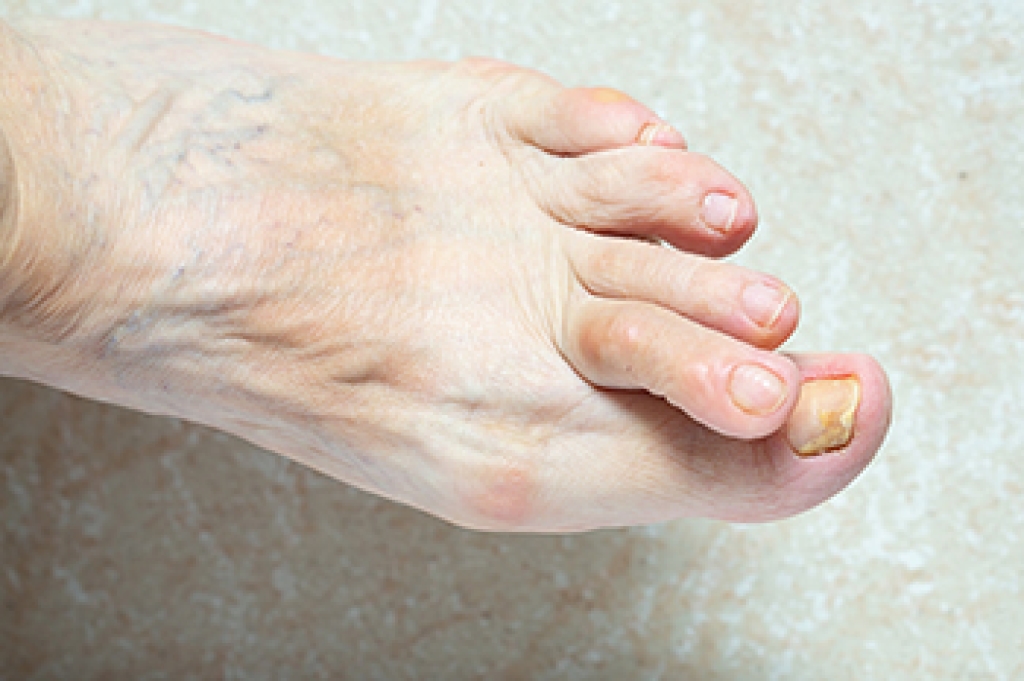
Hammertoe, a relatively common foot condition, is often the source of discomfort and inconvenience for many individuals. This deformity occurs when the middle joint of one or more of your smaller toes becomes bent and stuck in an abnormal position. The affected toes often resemble the shape of a hammer, hence the name. Hammertoes can develop for a variety of reasons, including genetics, foot structure, or wearing ill-fitting shoes. High heels and shoes that squeeze the toes together can exacerbate the problem. Hammertoes can lead to pain, corns, calluses, and difficulty finding comfortable footwear. While the condition can be hereditary, early intervention through wearing proper footwear and certain medical treatment can help prevent or alleviate the discomfort associated with hammertoes, allowing individuals to maintain healthier and happier feet. If you are afflicted with hammertoe, it is strongly suggested that you are under the care of a podiatrist who can guide you toward effective relief options.

Hammertoes can be a painful condition to live with. For more information, contact one of our podiatrists of APEX Foot & Ankle Center. Our doctors will answer any of your foot- and ankle-related questions.

Hammertoe

Hammertoe is a foot deformity that occurs due to an imbalance in the muscles, tendons, or ligaments that normally hold the toe straight. It can be caused by the type of shoes you wear, your foot structure, trauma, and certain disease processes.

Symptoms

  • Painful and/or difficult toe movement
  • Swelling
  • Joint stiffness
  • Calluses/Corns
  • Physical deformity

Risk Factors

  • Age – The risk of hammertoe increases with age
  • Sex – Women are more likely to have hammertoe compared to men
  • Toe Length – You are more likely to develop hammertoe if your second toe is longer than your big toe
  • Certain Diseases – Arthritis and diabetes may make you more likely to develop hammertoe

Treatment

If you have hammertoe, you should change into a more comfortable shoe that provides enough room for your toes. Exercises such as picking up marbles may strengthen and stretch your toe muscles. Nevertheless, it is important to seek assistance from a podiatrist in order to determine the severity of your hammertoe and see which treatment option will work best for you.

If you have any questions, please feel free to contact our offices located in Fort Myers, Shellpoint, and Naples, FL . We offer the newest diagnostic and treatment technologies for all your foot care needs.

Read more about Hammertoe

Tendonitis Across the Top of the Foot

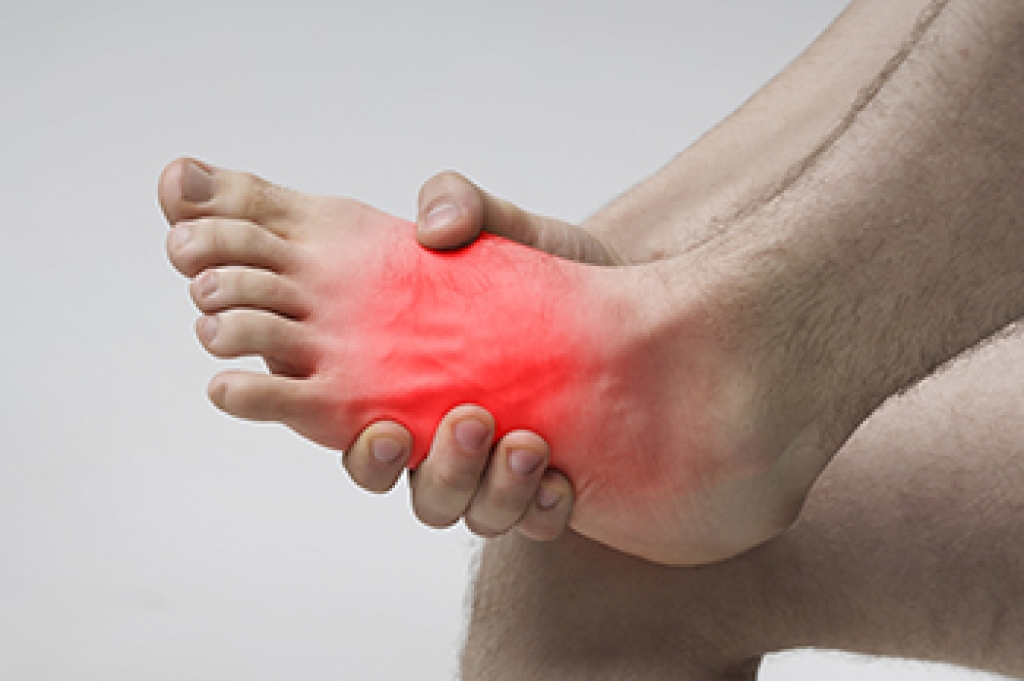
Extensor tendonitis is a common foot issue that causes discomfort across the top of the foot. This condition stems from irritation or inflammation of tendons that are critical for lifting the toes. Repetitive friction and pressure, often due to ill-fitting shoes, are common causes of extensor tendonitis. The primary tendons involved are the extensor hallucis longus, which lifts the big toe, and the extensor digitorum, for the other toes. Extending from lower leg muscles, these tendons cross the front of the ankle, span the upper foot, and attach to toe tips. Their limited protection renders them susceptible to injuries and leads to pain. Overuse or excessive pressure causes inflammation and swelling in these tendons. In time, this can weaken them and cause scarring that reduces flexibility and strength. Risk factors include tight shoes, prolonged weight-bearing, and calf muscle tightness.  Pain from extensor tendonitis usually worsens with activity but subsides during rest. Common signs are swelling, tenderness, and bruising. If you are experiencing symptoms of extensor tendonitis, it is suggested that you make an appointment with a podiatrist for a diagnosis and the appropriate treatment options.

Foot Pain

Foot pain can be extremely painful and debilitating. If you have a foot pain, consult with one of our podiatrists from APEX Foot & Ankle Center. Our doctors will assess your condition and provide you with quality foot and ankle treatment.

Causes

Foot pain is a very broad condition that could be caused by one or more ailments. The most common include:

  • Bunions
  • Hammertoes
  • Plantar Fasciitis
  • Bone Spurs
  • Corns
  • Tarsal Tunnel Syndrome
  • Ingrown Toenails
  • Arthritis (such as Gout, Rheumatoid, and Osteoarthritis)
  • Flat Feet
  • Injury (from stress fractures, broken toe, foot, ankle, Achilles tendon ruptures, and sprains)
  • And more

Diagnosis

To figure out the cause of foot pain, podiatrists utilize several different methods. This can range from simple visual inspections and sensation tests to X-rays and MRI scans. Prior medical history, family medical history, and any recent physical traumatic events will all be taken into consideration for a proper diagnosis.

Treatment

Treatment depends upon the cause of the foot pain. Whether it is resting, staying off the foot, or having surgery; podiatrists have a number of treatment options available for foot pain.

If you have any questions, please feel free to contact our offices located in Fort Myers, Shellpoint, and Naples, FL . We offer the newest diagnostic and treatment technologies for all your foot care needs.
Read more about Foot Pain

Connect With Us

Advanced Podiatric Procedures & Services in the Fort Myers, FL 33908 and Naples, FL 34110 areas