
Children Shoes for Different Stages of Foot Development

The importance of taking care of babies' feet is crucial to having a strong foundation. Proper foot care started at an early age may help to ensure healthy feet. This can begin by refraining from having children wear shoes while indoors. The toes will grip the floor and this is beneficial in strengthening the overall foot. When the time comes to walk outside, shoes that are lightweight and flexible may be best and can act as protective skin. When a baby starts to walk the foot structure is beginning to develop. Flat feet that most babies are born with may start to diminish and the arch may be seen. The arch will continue to develop through the teenage years. As the baby grows, a sturdier shoe with some flexibility may be desired that can accommodate running and daily wear and tear. When purchasing shoes for your child it is suggested that their feet are properly measured and this is generally done every three months up to the age of three years. If you would like more information about babies' feet and how to properly care for them, please confer with a podiatrist.

Making sure that your children maintain good foot health is very important as they grow. If you have any questions, contact one of our podiatrists of APEX Foot & Ankle Center. Our doctors can provide the care you need to keep you pain-free and on your feet.

Keeping Children's Feet Healthy

Having healthy feet during childhood can help prevent medical problems later in life, namely in the back and legs. As children grow, their feet require different types of care. Here are some things to consider...

Although babies do not walk yet, it is still very important to take care of their feet.

Avoid putting tight shoes or socks on his or her feet.

Allow the baby to stretch and kick his or her feet to feel comfortable.

As a toddler, kids are now on the move and begin to develop differently. At this age, toddlers are getting a feel for walking, so don’t be alarmed if your toddler is unsteady or ‘walks funny’. 

As your child gets older, it is important to teach them how to take care of their feet.

Show them proper hygiene to prevent infections such as fungus.

Be watchful for any pain or injury.

Have all injuries checked by a doctor as soon as possible.

Comfortable, protective shoes should always be worn, especially at play.

If you have any questions, please feel free to contact our offices located in Fort Myers, Shellpoint, and Naples, FL . We offer the newest diagnostic and treatment technologies for all your foot care needs.
Read more about How to Care for Your Child's Feet

Dealing With Hammertoe

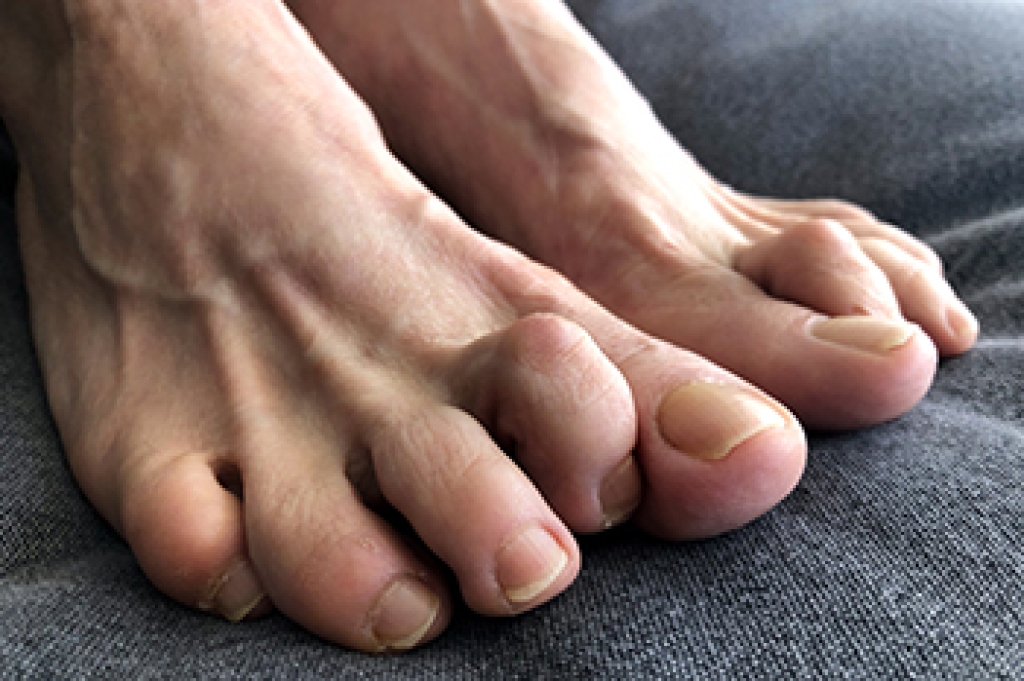
One of the most common foot deformities is called a hammertoe. This means the middle joint of the toe pops up instead of lying flat. Hammertoe usually affects the 2nd, 3rd, and 4th toes and can become painful as the protruding joint rubs against the inside of the shoe. Causes of hammertoe vary, but the most common is wearing high-heeled shoes with pointy-toes. Not surprisingly, more women develop hammertoe than men. Trauma from a fall or blow, sprains, or broken toes can all contribute to the formation of a hammertoe as well. They also can be caused by side effects from arthritis, diabetes, and polio. Hammertoe can make it difficult to walk, thereby affecting the gait and causing problems in other parts of the body. If you have developed a hammertoe, please consult with a podiatrist for an examination and possible remedies available to you. 

Hammertoe

Hammertoes can be a painful condition to live with. For more information, contact one of our podiatrists from APEX Foot & Ankle Center. Our doctors will answer any of your foot- and ankle-related questions.

Hammertoe is a foot deformity that affects the joints of the second, third, fourth, or fifth toes of your feet. It is a painful foot condition in which these toes curl and arch up, which can often lead to pain when wearing footwear.

Symptoms

  • Pain in the affected toes
  • Development of corns or calluses due to friction
  • Inflammation
  • Redness
  • Contracture of the toes

Causes

Genetics – People who are genetically predisposed to hammertoe are often more susceptible

Arthritis – Because arthritis affects the joints in your toes, further deformities stemming from arthritis can occur

Trauma – Direct trauma to the toes could potentially lead to hammertoe

Ill-fitting shoes – Undue pressure on the front of the toes from ill-fitting shoes can potentially lead to the development of hammertoe

Treatment

Orthotics – Custom made inserts can be used to help relieve pressure placed on the toes and therefore relieve some of the pain associated with it

Medications – Oral medications such as anti-inflammatories or NSAIDs could be used to treat the pain and inflammation hammertoes causes. Injections of corticosteroids are also sometimes used

Surgery – In more severe cases where the hammertoes have become more rigid, foot surgery is a potential option

If you have any questions, please feel free to contact our offices located in Fort Myers, Shellpoint, and Naples, FL . We offer the newest diagnostic and treatment technologies for all your foot care needs.

Read more about What Are Hammertoes?

Types of Bunion Surgery

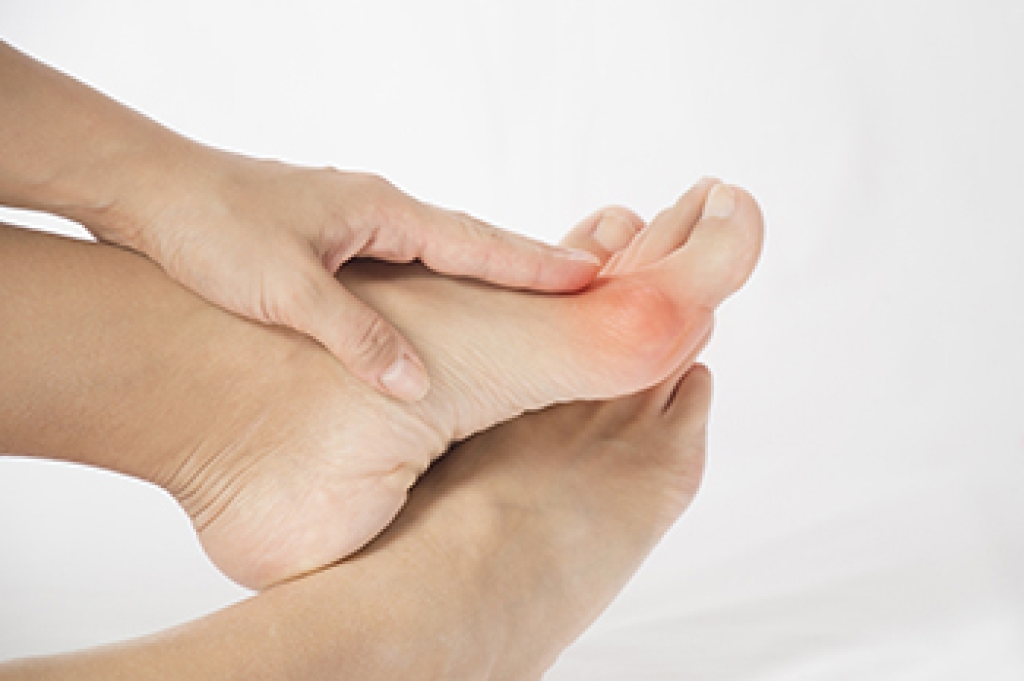
A bunion is easy to identify. It is defined as a bony protrusion on the side of the big toe and the skin may appear to be red. A bunion can develop as a result of genetic factors, or from wearing shoes that do not fit correctly. Some patients find it helpful to wear a cushion on top of the bunion as this may help to relieve some of the discomfort. Many times, larger shoes need to be purchased that can accommodate the bunion and surgery may be considered for permanent removal. There are several types of bunion surgeries that can be performed. A bunionectomy is performed to remove the bony growth, in addition to realigning the muscles, ligaments, and tendons. Having an osteotomy performed involves cutting the toe bone which may help to straighten the joints. When bones are fused, it is known as an arthrodesis. Additionally, an arthroplasty is done by removing the damaged joint, which is necessary in allowing scar tissue to form. If you have developed a bunion, it is strongly advised that you seek the care of a podiatrist who can provide the correct treatment method for you.

If you are suffering from bunions, contact one of our podiatrists of APEX Foot & Ankle Center. Our doctors can provide the care you need to keep you pain-free and on your feet.

What Is a Bunion?

A bunion is formed of swollen tissue or an enlargement of boney growth, usually located at the base joint of the toe that connects to the foot. The swelling occurs due to the bones in the big toe shifting inward, which impacts the other toes of the foot. This causes the area around the base of the big toe to become inflamed and painful.

Why Do Bunions Form?

Genetics – Susceptibility to bunions are often hereditary

Stress on the feet – Poorly fitted and uncomfortable footwear that places stress on feet, such as heels, can worsen existing bunions

How Are Bunions Diagnosed?

Podiatrists often perform two tests – blood tests and x-rays – when trying to diagnose bunions, especially in the early stages of development. Blood tests help determine if the foot pain is being caused by something else, such as arthritis, while x-rays provide a clear picture of your bone structure to your provider.

How Are Bunions Treated?

  • Refrain from wearing heels or similar shoes that cause discomfort
  • Select wider shoes that can provide more comfort and reduce pain
  • Anti-inflammatory and pain management drugs
  • Orthotics or foot inserts
  • Surgery

If you have any questions, please feel free to contact our offices located in Fort Myers, Shellpoint, and Naples, FL . We offer the newest diagnostic and treatment technologies for all your foot care needs.
Read more about Bunions

Do Your Child's Feet Hurt?

Have your child's feet been examined lately? Healthy feet are happy feet. If your child is complaining of foot pain, it may be a sign of underlying problems.

How to Get Rid of Corns on Your Feet

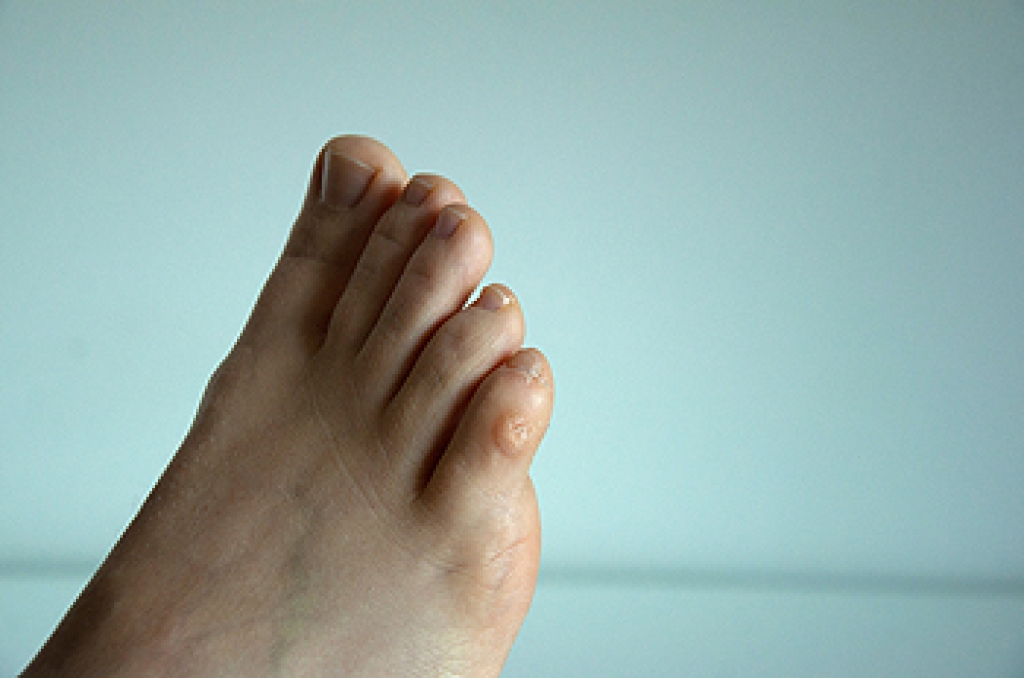
Corns are hard bumps that develop on the skin, typically on the feet. They can occur due to pressure and friction caused by poorly fitting shoes. The skin hardens to protect the delicate tissue underneath. Corns are like calluses, but they can become tender and cause pain too. They are generally not serious but may be uncomfortable. Removing the ill-fitting shoes or source of friction is the best way to prevent corns from worsening. Usually soaking the affected foot, applying a moisturizer, and rubbing the corn with a washcloth will help soften the corn and remove excess layers of skin that have built up. If you develop a corn that does not heal, begins to bleed, or becomes infected it is suggested that you seek the counsel of a podiatrist. 

Corns can make walking very painful and should be treated immediately. If you have questions regarding your feet and ankles, contact one of our podiatrists of APEX Foot & Ankle Center. Our doctors will treat your foot and ankle needs.

Corns: What Are They? And How Do You Get Rid of Them?
Corns are thickened areas on the skin that can become painful. They are caused by excessive pressure and friction on the skin. Corns press into the deeper layers of the skin and are usually round in shape.

Ways to Prevent Corns
There are many ways to get rid of painful corns such as:

  • Wearing properly fitting shoes that have been measured by a professional
  • Wearing shoes that are not sharply pointed or have high heels
  • Wearing only shoes that offer support

Treating Corns

Although most corns slowly disappear when the friction or pressure stops, this isn’t always the case. Consult with your podiatrist to determine the best treatment option for your case of corns.

If you have any questions, please feel free to contact our offices located in Fort Myers, Shellpoint, and Naples, FL . We offer the newest diagnostic and treatment technologies for all your foot care needs.

Read more about Corns and Calluses

Connect With Us

Advanced Podiatric Procedures & Services in the Fort Myers, FL 33908 and Naples, FL 34110 areas