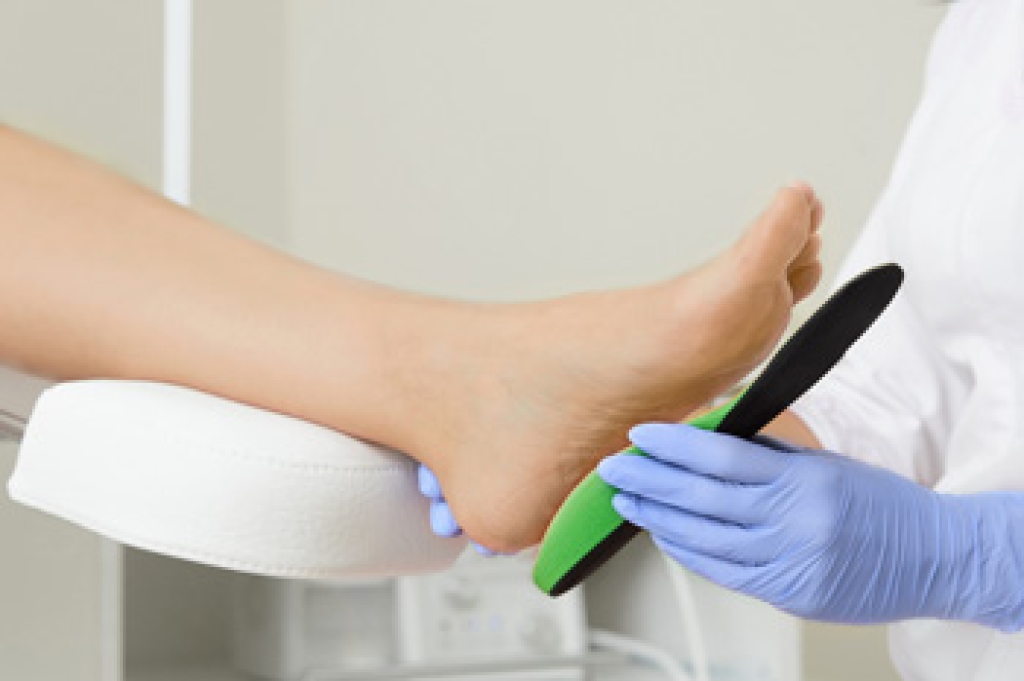
Key Differences Between Store-Bought and Custom Orthotics

While at first glance, you may assume that there is no difference between over-the-counter (OTC) insoles and custom orthotics, a closer look reveals several key distinctions. OTC insoles are a “one-size-fits-most,” generic approach to supporting your feet. Custom orthotics are customized, prescription medical devices. Your podiatrist starts by reviewing your medical history, examining your feet and diagnosing your condition. Custom orthotics are then created from molds or 3D images of your actual feet. They are designed to specifically treat your medical condition: from arthritis, flat feet and hammertoes to bunions, high arches, deformities, plantar fasciitis and more. Custom orthotics can also help correct certain gait abnormalities and restore function in your feet and ankles. OTC, or prefabricated insoles, are typically made of rubber, flexible plastic or gel which can often lose integrity quickly. Custom orthotics are constructed with superior materials that are durable, light weight, moldable, and cushioning. If you are suffering from foot or ankle pain, or have difficulty walking, see a podiatrist. They will evaluate and diagnose your condition and discuss if custom orthotics can provide the relief you seek.

If you are having discomfort in your feet and would like to try orthotics, contact one of our podiatrists from APEX Foot & Ankle Center. Our doctors can provide the care you need to keep you pain-free and on your feet.

What Are Orthotics?

Orthotics are inserts you can place into your shoes to help with a variety of foot problems such as flat feet or foot pain. Orthotics provide relief and comfort for minor foot and heel pain but can’t correct serious biomechanical problems in your feet.

Over-the-Counter Inserts

Orthotics come in a wide variety of over-the-counter inserts that are used to treat foot pain, heel pain, and minor problems. For example, arch supports can be inserted into your shoes to help correct overarched or flat feet, while gel insoles are often used because they provide comfort and relief from foot and heel pain by alleviating pressure.

Prescription Orthotics

If over-the-counter inserts don’t work for you or if you have a more severe foot concern, it is possible to have your podiatrist prescribe custom orthotics. These high-quality inserts are designed to treat problems such as abnormal motion, plantar fasciitis, and severe forms of heel pain. They can even be used to help patients suffering from diabetes by treating foot ulcers and painful calluses and are usually molded to your feet individually, which allows them to provide full support and comfort.

If you are experiencing minor to severe foot or heel pain, it’s recommended to speak with your podiatrist about the possibilities of using orthotics. A podiatrist can determine which type of orthotic is right for you and allow you to take the first steps towards being pain-free.

If you have any questions, please feel free to contact our offices located in Fort Myers, Shellpoint, and Naples, FL . We offer the newest diagnostic and treatment technologies for all your foot care needs.
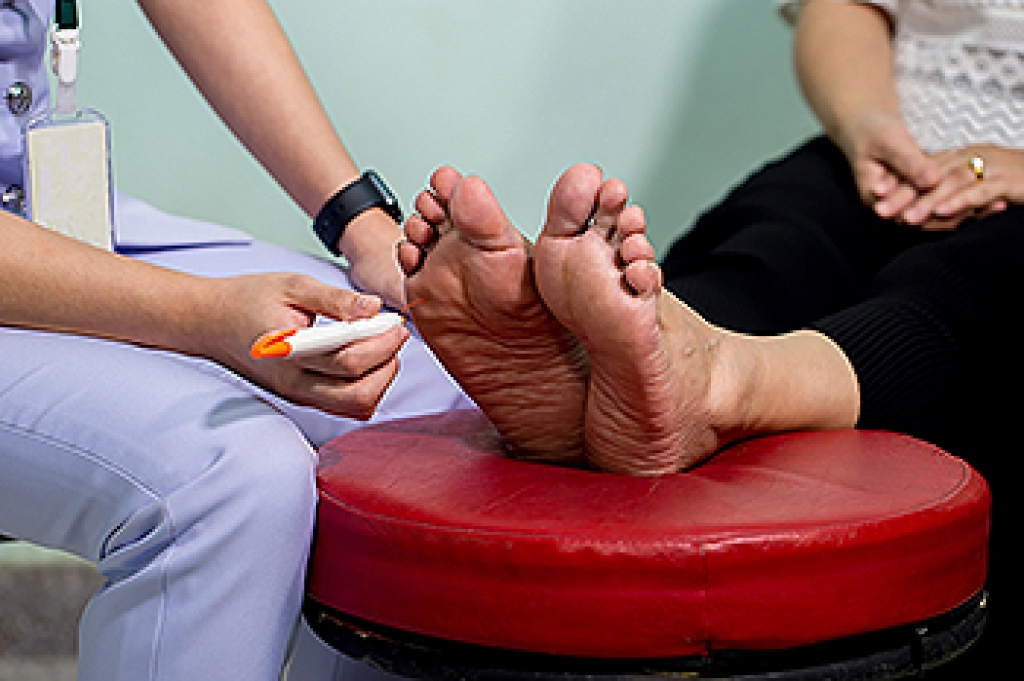

Read more about Foot Orthotics

Feet are Affected with Diabetes

People who are diabetic are often concerned about the health of their feet. Elevated blood sugar levels in diabetic patients may lead to possible nerve damage, foot ulcers, and foot deformities. It is important for patients to examine their feet daily, and notice any cuts, bruises, or broken skin. Additionally, it is beneficial to take extra time and care while trimming the toenails, and it helps to wear shoes and socks that fit correctly. Research has indicated that diabetic patients who refrain from walking barefoot can have fewer foot injuries. If you have diabetes, it is strongly suggested that you be under the care of a podiatrist who can correctly monitor this condition.

Diabetic foot care is important in preventing foot ailments such as ulcers. If you are suffering from diabetes or have any other concerns about your feet, contact one of our podiatrists from APEX Foot & Ankle Center. Our doctors can provide the care you need to keep you pain-free and on your feet.

Diabetic Foot Care

Diabetes affects millions of people every year. The condition can damage blood vessels in many parts of the body, especially the feet. Because of this, taking care of your feet is essential if you have diabetes, and having a podiatrist help monitor your foot health is highly recommended.

The Importance of Caring for Your Feet

  • Routinely inspect your feet for bruises or sores.
  • Wear socks that fit your feet comfortably.
  • Wear comfortable shoes that provide adequate support.

Patients with diabetes should have their doctor monitor their blood levels, as blood sugar levels play such a huge role in diabetic care. Monitoring these levels on a regular basis is highly advised.

It is always best to inform your healthcare professional of any concerns you may have regarding your feet, especially for diabetic patients. Early treatment and routine foot examinations are keys to maintaining proper health, especially because severe complications can arise if proper treatment is not applied.

If you have any questions, please feel free to contact our offices located in Fort Myers, Shellpoint, and Naples, FL . We offer the newest diagnostic and treatment technologies for all your foot care needs.
Read more about Diabetic Foot Conditions

Does Your Child Walk On the Outside of One Foot? 

The tarsal navicular bone helps connect the ankle to other bones that are lower in the foot. This bone gets its nautical sounding name because it has a shape that is like a small boat. The navicular bone helps form and stabilize the arch and helps us walk efficiently. Kohler’s Disease is a rare bone disorder in which the navicular bone experiences a loss of blood supply and density, causing the bone to weaken and be susceptible to compression from other bones in the foot. This can affect some children typically aged 3-7, and it most commonly occurs in boys. The symptoms a child may experience with Kohler’s Disease include pain, tenderness, swelling, and redness in the middle of the foot. While this disorder may sound scary, the prognosis is usually good: Kohler’s Disease generally corrects itself as the child matures. Until that time, the child may compensate for the discomfort they are feeling by walking on the outside of the affected foot. If you see your child walking like this or even limping, it is wise to take them to a podiatrist for an examination and diagnosis. If their findings indicate that your child has Kohler’s Disease, the podiatrist can help treat the disorder and provide relief through techniques such as casting, anti-inflammatory medications, custom orthotics and special supportive footwear.

The health of a child’s feet is vital to their overall well-being. If you have any questions regarding foot health, contact one of our podiatrists of APEX Foot & Ankle Center. Our doctors can provide the care you need to keep you pain-free and on your feet.

Tips for Keeping Children's Feet Healthy

  • Make sure their shoes fit properly
  • Look for any signs of in-toeing or out-toeing
  • Check to see if they have Clubfoot (condition that affects your child’s foot and ankle, twisting the heel and toes inward) which is one of the most common nonmajor birth defects.
  • Lightly cover your baby’s feet (Tight covers may keep your baby from moving their feet freely, and could prevent normal development)
  • Allow your toddler to go shoeless (Shoes can be restricting for a young child’s foot)
  • Cut toenails straight across to avoid ingrown toenails
  • Keep your child’s foot clean and dry
  • Cover cuts and scrapes. Wash any scratches with soap and water and cover them with a bandage until they’ve healed.

If you have any questions, please feel free to contact our offices located in Fort Myers, Shellpoint, and Naples, FL . We offer the newest diagnostic and treatment technologies for all your foot care needs.
Read more about What to Do to Keep Your Child’s Feet Healthy

Heel Pain Can Be Treated!

Do you suffer from heel pain when you get up in the morning? If so, you should seek professional help and have a proper diagnosis performed. Heel pain can be caused by several different foot-related conditions.

Achilles Tendon Disorders

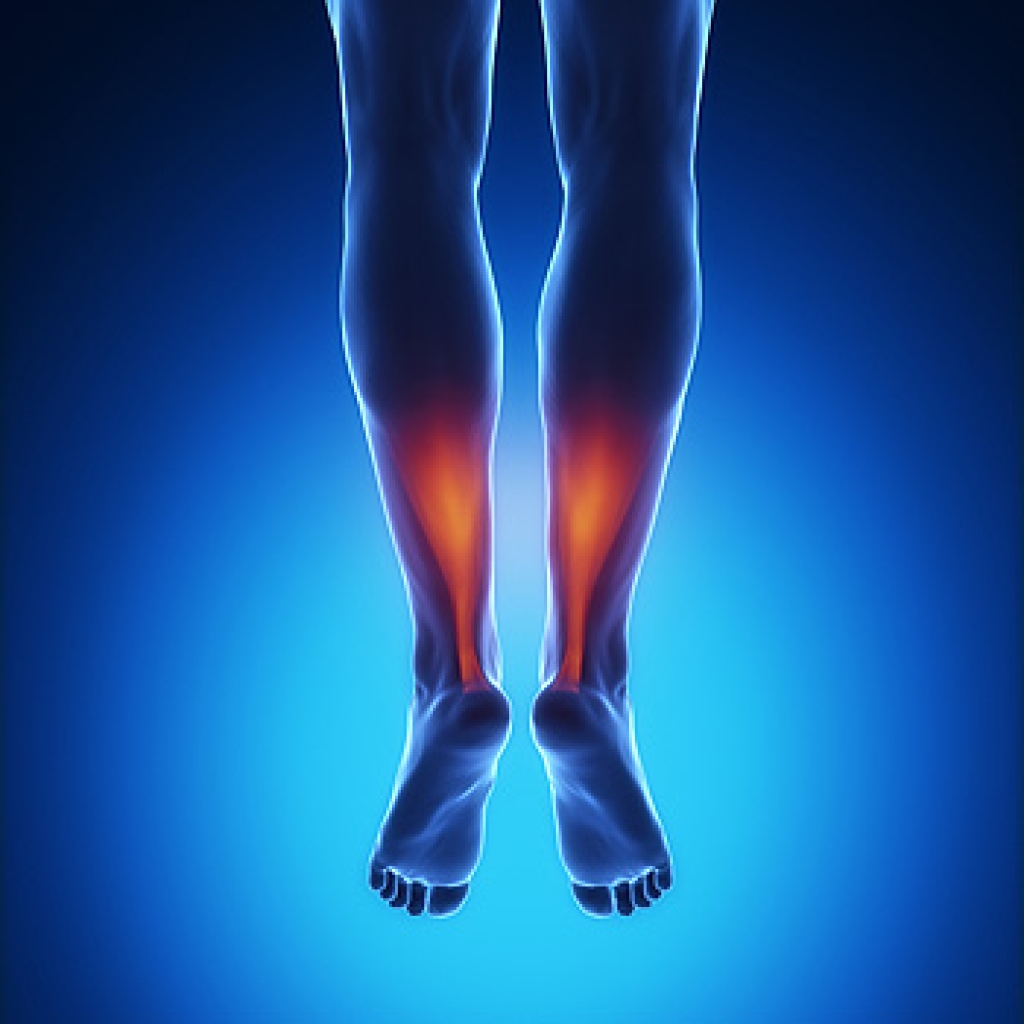
The Achilles tendon is a thick band of fibrous tissue that runs along the back of the lower leg, connecting the heel bone to the calf muscles. When the Achilles tendon is injured, resulting symptoms may include pain, aching, stiffness, soreness or tenderness in the heel or back of the leg, enlargement of the tendon, and damage to the surrounding tissues. There are two main types of Achilles tendon disorders – Achilles tendonitis and Achilles tendonosis. Tendonitis is a typically short-lived inflammation of the tendon. Tendonosis, which can evolve from tendonitis if the former is not treated promptly, can lead to tears in the tendon and degeneration over time. If you have symptoms of an Achilles tendon injury, it is suggested that you consult with a podiatrist.

Achilles tendon injuries need immediate attention to avoid future complications. If you have any concerns, contact one of our podiatrists of APEX Foot & Ankle Center. Our doctors can provide the care you need to keep you pain-free and on your feet.

What Is the Achilles Tendon?

The Achilles tendon is a tendon that connects the lower leg muscles and calf to the heel of the foot. It is the strongest tendon in the human body and is essential for making movement possible. Because this tendon is such an integral part of the body, any injuries to it can create immense difficulties and should immediately be presented to a doctor.

What Are the Symptoms of an Achilles Tendon Injury?

There are various types of injuries that can affect the Achilles tendon. The two most common injuries are Achilles tendinitis and ruptures of the tendon.

Achilles Tendinitis Symptoms

  • Inflammation
  • Dull to severe pain
  • Increased blood flow to the tendon
  • Thickening of the tendon

Rupture Symptoms

  • Extreme pain and swelling in the foot
  • Total immobility

Treatment and Prevention

Achilles tendon injuries are diagnosed by a thorough physical evaluation, which can include an MRI. Treatment involves rest, physical therapy, and in some cases, surgery. However, various preventative measures can be taken to avoid these injuries, such as:

  • Thorough stretching of the tendon before and after exercise
  • Strengthening exercises like calf raises, squats, leg curls, leg extensions, leg raises, lunges, and leg presses

If you have any questions please feel free to contact our offices located in Fort Myers, Shellpoint, and Naples, FL . We offer the newest diagnostic tools and technology to treat your foot and ankle needs.

Read more about Achilles Tendon Injuries

Connect With Us

Advanced Podiatric Procedures & Services in the Fort Myers, FL 33908 and Naples, FL 34110 areas