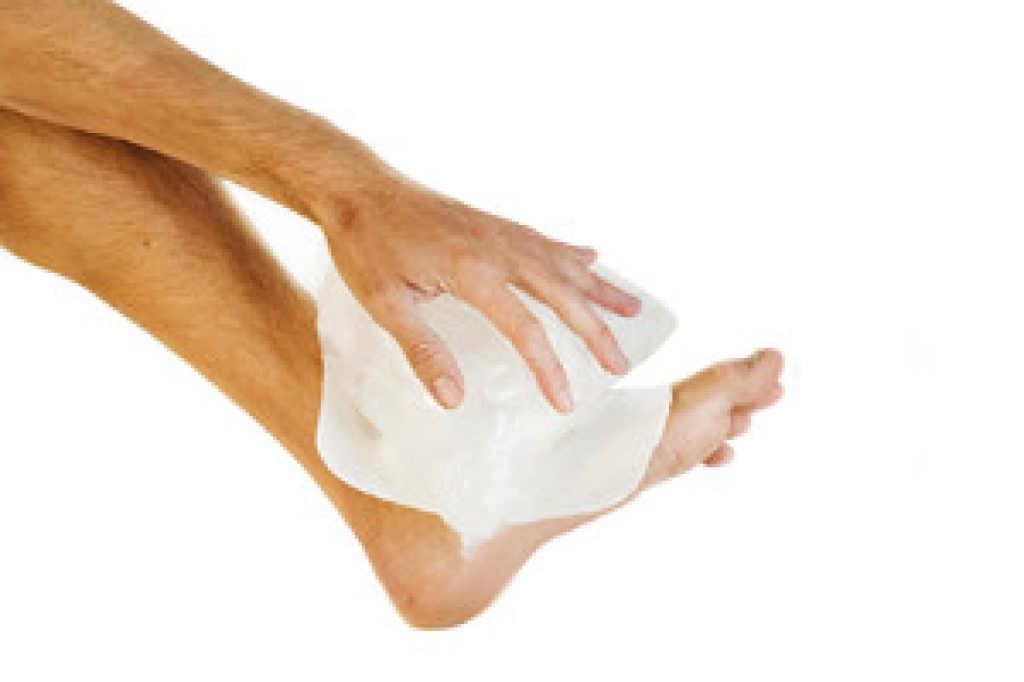
Extensor Tendonitis May Cause Pain in the Top of Your Foot

Pain in the top of the foot can be caused from a variety of conditions, one of them being extensor tendinitis. Tendons are fibrous tissues that connect muscles to bone. Extensor tendons are located on the top of the feet. They connect bones in the toes to muscles on the front portion of the leg which work together to help raise your toes and flex your feet. These tendons can become inflamed and irritated from wearing tight, small, or non-supportive shoes, or from overuse. This condition, known as extensor tendonitis, can cause pain and swelling in the top of the feet that may worsen after activity. If you are experiencing this type of foot pain, it is a good idea to contact a podiatrist. After the examination, if it’s determined that you have extensor tendonitis, your doctor may prescribe a course of treatment that includes rest, anti-inflammatory medication, splinting, physical therapy, or even steroid injections.

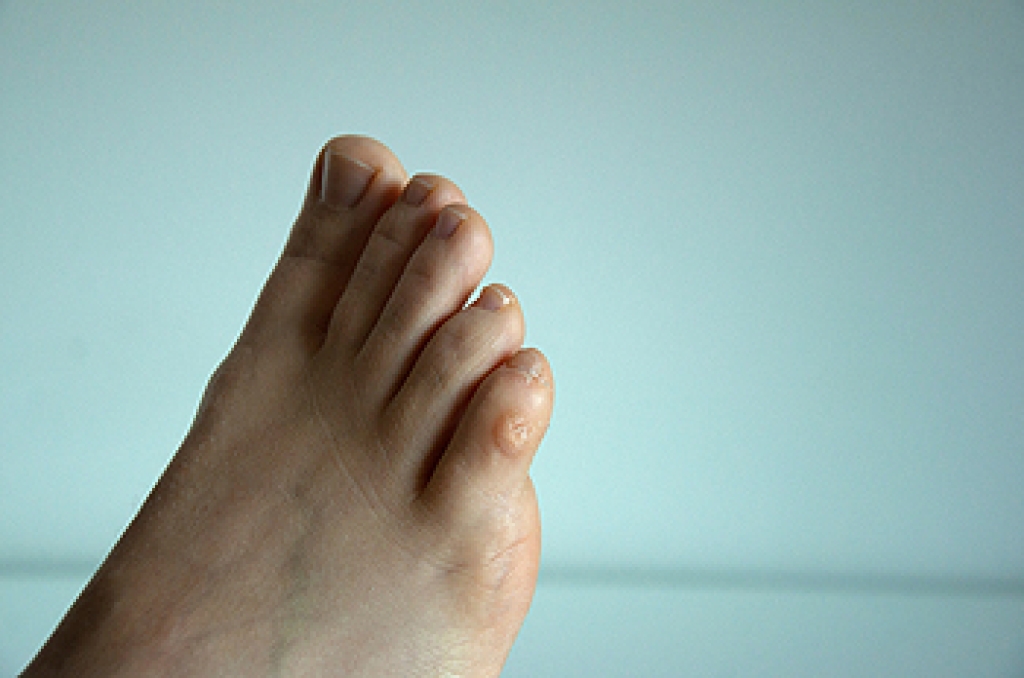
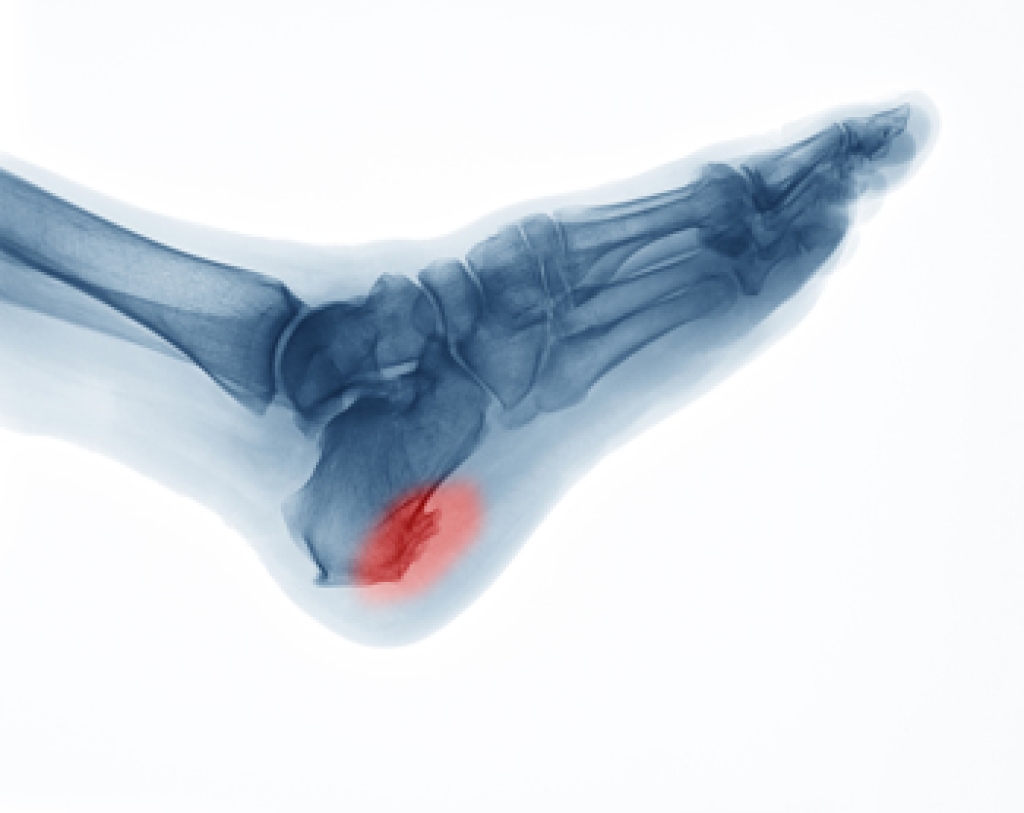
Foot Pain

Foot pain can be extremely painful and debilitating. If you have a foot pain, consult with one of our podiatrists from APEX Foot & Ankle Center. Our doctors will assess your condition and provide you with quality foot and ankle treatment.

Causes

Foot pain is a very broad condition that could be caused by one or more ailments. The most common include:

  • Bunions
  • Hammertoes
  • Plantar Fasciitis
  • Bone Spurs
  • Corns
  • Tarsal Tunnel Syndrome
  • Ingrown Toenails
  • Arthritis (such as Gout, Rheumatoid, and Osteoarthritis)
  • Flat Feet
  • Injury (from stress fractures, broken toe, foot, ankle, Achilles tendon ruptures, and sprains)
  • And more

Diagnosis

To figure out the cause of foot pain, podiatrists utilize several different methods. This can range from simple visual inspections and sensation tests to X-rays and MRI scans. Prior medical history, family medical history, and any recent physical traumatic events will all be taken into consideration for a proper diagnosis.

Treatment

Treatment depends upon the cause of the foot pain. Whether it is resting, staying off the foot, or having surgery; podiatrists have a number of treatment options available for foot pain.

If you have any questions, please feel free to contact our offices located in Fort Myers, Shellpoint, and Naples, FL . We offer the newest diagnostic and treatment technologies for all your foot care needs.
Read more about Foot Pain

Getting Rid of Corns on the Feet

A corn is a hard, yellowed bump or lump just under the skin of the toe or foot. It often develops when the toe rubs against the inside of your shoe, causing pain. People with diabetes or poor circulation may be more apt to develop corns. There are several treatments that can remove or eliminate corns, but if the underlying cause is not corrected, they are likely to recur. Pressure and repetitive friction are the main causes of corns and calluses on the feet. Wearing shoes that are not too tight, or too loose, can help reduce the pressure on the toes. When shoes are too tight or heels too high they can compress the foot; when they are too loose, the foot may slide and rub against them. A seam or stitching on the shoe also can cause repetitive friction. The best way to avoid corns is to wear shoes with room in the toe box, and socks that absorb moisture. Soaking the feet periodically helps soften the corns. For removal of a corn, it is suggested that you make an appointment with a podiatrist for safe treatment and prevention planning.

Corns can make walking very painful and should be treated immediately. If you have questions regarding your feet and ankles, contact one of our podiatrists of APEX Foot & Ankle Center. Our doctors will treat your foot and ankle needs.

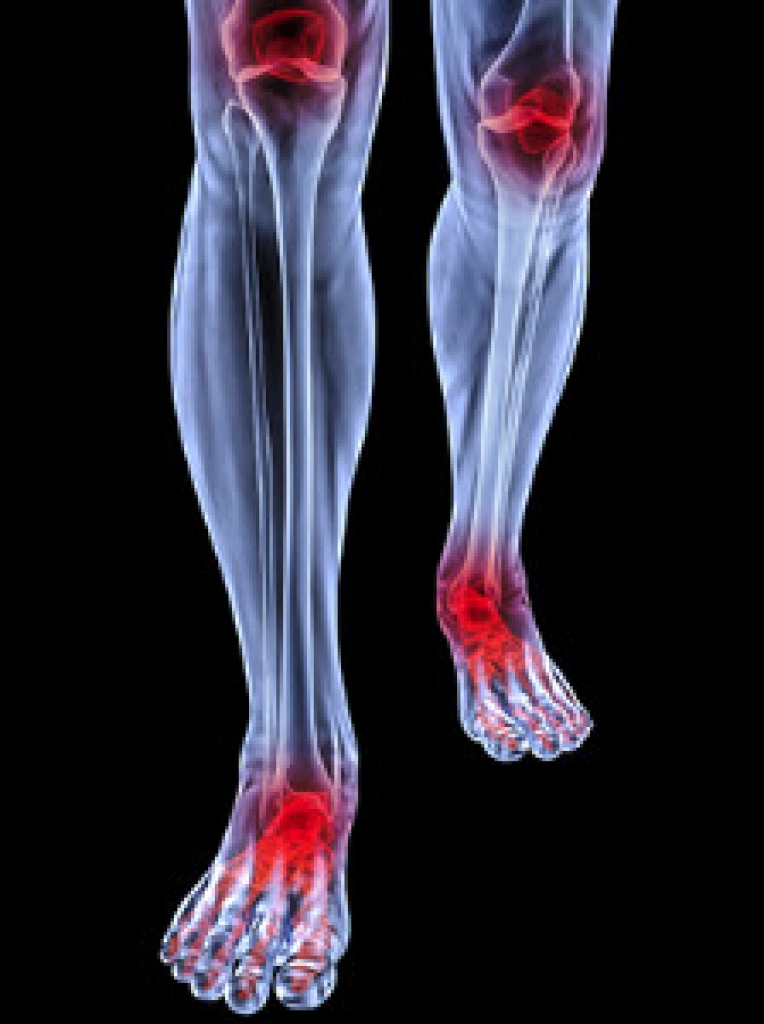
Corns: What Are They? And How Do You Get Rid of Them?
Corns are thickened areas on the skin that can become painful. They are caused by excessive pressure and friction on the skin. Corns press into the deeper layers of the skin and are usually round in shape.

Ways to Prevent Corns
There are many ways to get rid of painful corns such as:

  • Wearing properly fitting shoes that have been measured by a professional
  • Wearing shoes that are not sharply pointed or have high heels
  • Wearing only shoes that offer support

Treating Corns

Although most corns slowly disappear when the friction or pressure stops, this isn’t always the case. Consult with your podiatrist to determine the best treatment option for your case of corns.

If you have any questions, please feel free to contact our offices located in Fort Myers, Shellpoint, and Naples, FL . We offer the newest diagnostic and treatment technologies for all your foot care needs.
Read more about Everything You Need to Know About Corns

Self-Care for Heel Spurs

Heel spurs are bony bumps that can form on the underside of your heel bone. They are usually painless, but can become painful if the tissue around the heel swells. Pain typically worsens with activity. There are several things that you can do at home to address heel spur pain. First, you should rest your injured foot so that it can heal. Keep weight and pressure off the affected foot if possible, and apply ice to the injury to reduce swelling. Stretch your legs and feet before getting out of bed to loosen the muscles and tendons in your feet. Wearing properly fitting shoes or orthotic inserts can also help to cushion and support your feet, and you may wish to also take over-the-counter medications to reduce pain. If your heel pain doesn’t improve or worsens, it is strongly suggested that you seek the care of a podiatrist for a proper examination.

Heel spurs can be incredibly painful and sometimes may make you unable to participate in physical activities. To get medical care for your heel spurs, contact one of our podiatrists from APEX Foot & Ankle Center. Our doctors will do everything possible to treat your condition.

Heels Spurs

Heel spurs are formed by calcium deposits on the back of the foot where the heel is. This can also be caused by small fragments of bone breaking off one section of the foot, attaching onto the back of the foot. Heel spurs can also be bone growth on the back of the foot and may grow in the direction of the arch of the foot.

Older individuals usually suffer from heel spurs and pain sometimes intensifies with age. One of the main condition's spurs are related to is plantar fasciitis.

Pain

The pain associated with spurs is often because of weight placed on the feet. When someone is walking, their entire weight is concentrated on the feet. Bone spurs then have the tendency to affect other bones and tissues around the foot. As the pain continues, the feet will become tender and sensitive over time.

Treatments

There are many ways to treat heel spurs. If one is suffering from heel spurs in conjunction with pain, there are several methods for healing. Medication, surgery, and herbal care are some options.

If you have any questions, please feel free to contact our offices located in Fort Myers, Shellpoint, and Naples, FL . We offer the newest diagnostic and treatment technologies for all your foot care needs.

Read more about How to Treat Heel Spurs

What Is Juvenile Arthritis?

Many people associate arthritis with aging and the elderly. While it is true that certain types of arthritis, such as osteoarthritis, are most often seen in older adults, arthritis is not exclusively a disease of aging. Nearly 300,000 children and teens in the United States alone have juvenile arthritis (JA). Rather than being just one disease, JA is an umbrella term for any type of arthritis that affects someone under the age of 16. The most common type of JA is idiopathic arthritis. This can cause symptoms such as pain, stiffness, redness, warmth, and swelling around the joints. The small joints of the feet are often affected. It is suggested that children with JA visit a podiatrist regularly to monitor and maintain the health of their foot and ankle joints. 

Arthritis can be a difficult condition to live with. If you are seeking treatment, contact one of our podiatrists from APEX Foot & Ankle Center. Our doctors can provide the care you need to keep you pain-free and on your feet.

Arthritic Foot Care  

Arthritis is a term that is commonly used to describe joint pain.  The condition itself can occur to anyone of any age, race, or gender, and there are over 100 types of it.  Nevertheless, arthritis is more commonly found in women compared to men, and it is also more prevalent in those who are overweight. The causes of arthritis vary depending on which type of arthritis you have. Osteoarthritis for example, is often caused by injury, while rheumatoid arthritis is caused by a misdirected immune system.

Symptoms

  • Swelling
  • Pain
  • Stiffness
  • Decreased Range of Motion

Arthritic symptoms range in severity, and they may come and go. Some symptoms stay the same for several years but could potentially get worse with time. Severe cases of arthritis can prevent its sufferers from performing daily activities and make walking difficult.

Risk Factors

  • Occupation – Occupations requiring repetitive knee movements have been linked to osteoarthritis
  • Obesity – Excess weight can contribute to osteoarthritis development
  • Infection – Microbial agents can infect the joints and trigger arthritis
  • Joint Injuries – Damage to joints may lead to osteoarthritis
  • Age – Risk increases with age
  • Gender –Most types are more common in women
  • Genetics – Arthritis can be hereditary

If you suspect your arthritis is affecting your feet, it is crucial that you see a podiatrist immediately. Your doctor will be able to address your specific case and help you decide which treatment method is best for you.

If you have any questions please feel free to contact our offices located in Fort Myers, Shellpoint, and Naples, FL . We offer the newest diagnostic tools and technology to treat your foot and ankle needs.

Read more about How to Care for Your Arthritic Foot

Plantar Warts Can Be Treated!

Plantar warts are small growths that develop on parts of the feet that bear weight. They're typically found on the bottom of the foot. Don't live with plantar warts, and call us today!

Connect With Us

Advanced Podiatric Procedures & Services in the Fort Myers, FL 33908 and Naples, FL 34110 areas