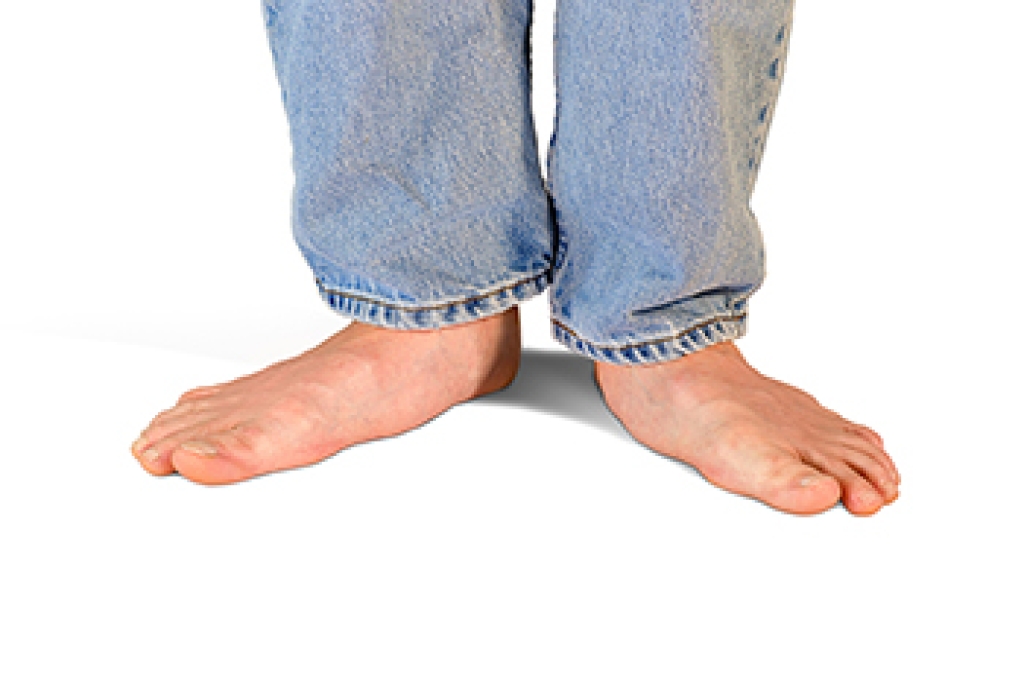
Stretches for Flat Feet

Collapsed arches are another name for flat feet. It is a condition that most babies are born with, and the aches generally develop during the teenage years. There may be existing conditions that can prevent the arch from forming, including obesity, pregnancy, and arthritis. Flat feet are an abnormal foot structure, and many people with this condition have aches and foot pain. When specific stretches are performed several times per week, that arch may develop and become stronger. A heel stretch can be beneficial. This can be done by standing and resting the hands on a chair while keeping both heels on the floor. As the front leg is bent while rocking back and forth, a gentle stretch can be found in the back leg. After holding the position for several seconds, this stretch can be repeated on the other leg. Rolling the foot on a tennis ball may help to improve the arch and can be performed for up to three minutes on each foot. If you have flat feet, it is suggested that you are under the care of a podiatrist who can help you to manage this condition.

Flatfoot is a condition many people suffer from. If you have flat feet, contact one of our podiatrists from APEX Foot & Ankle Center. Our doctors will treat your foot and ankle needs.

What Are Flat Feet?

Flatfoot is a condition in which the arch of the foot is depressed and the sole of the foot is almost completely in contact with the ground. About 20-30% of the population generally has flat feet because their arches never formed during growth.

Conditions & Problems:

Having flat feet makes it difficult to run or walk because of the stress placed on the ankles.

Alignment – The general alignment of your legs can be disrupted, because the ankles move inward which can cause major discomfort.

Knees – If you have complications with your knees, flat feet can be a contributor to arthritis in that area.  

Symptoms

  • Pain around the heel or arch area
  • Trouble standing on the tip toe
  • Swelling around the inside of the ankle
  • Flat look to one or both feet
  • Having your shoes feel uneven when worn

Treatment

If you are experiencing pain and stress on the foot you may weaken the posterior tibial tendon, which runs around the inside of the ankle. 

If you have any questions, please feel free to contact our offices located in Fort Myers, Shellpoint, and Naples, FL . We offer the newest diagnostic and treatment technologies for all your foot care needs.

Read more about Flat Feet

It's Time for Beautiful Feet

You don't need an excuse to have beautiful nails. Step outside without worrying about the appearance of your feet.

A Bunionette Is Known as a Tailor’s Bunion

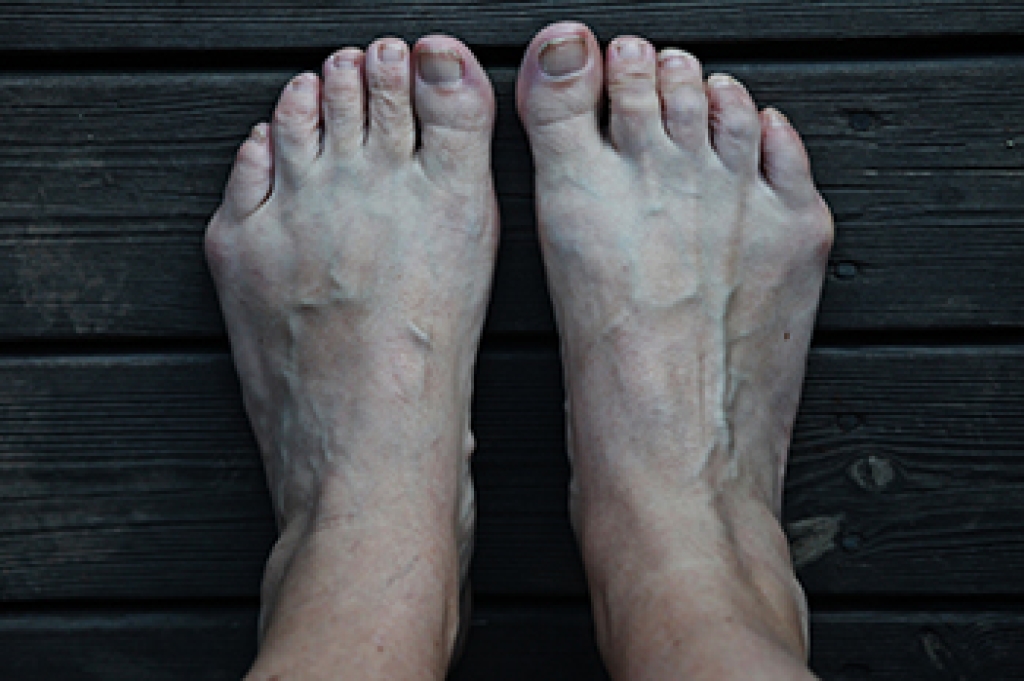
A small bunion that forms on the side of the pinky toe is called a bunionette. Many people refer to this as a tailor’s bunion, and it occurs when the bottom bone on the pinky toe shifts or becomes larger. This name originated hundreds of years ago when tailors would work with their legs crossed, causing the pinky toes to touch the ground. This would cause a small bump to form on the base of the little toe. It often rubs against the shoe, causing pain and discomfort. A common reason for a tailor’s bunion to develop is from wearing shoes that do not fit correctly. Additionally, loose ligaments, tight calf muscles, or a foot that leans to the outside may be causes for a tailor’s bunion to form. Temporary relief may come from choosing shoes with adequate room in the toe area and wearing a protective pad over the bunion. If you have this condition, it is suggested that you confer with a podiatrist who can provide you with permanent relief, which may include minor surgery for removal.

If you are suffering from bunion pain, contact one of our podiatrists of APEX Foot & Ankle Center. Our doctors can provide the care you need to keep you pain-free and on your feet.

What Is a Bunion?

Bunions are painful bony bumps that usually develop on the inside of the foot at the joint of the big toe. As the deformity increases over time, it may become painful to walk and wear shoes. Women are more likely to exacerbate existing bunions since they often wear tight, narrow shoes that shift their toes together. Bunion pain can be relieved by wearing wider shoes with enough room for the toes.

Causes

  • Genetics – some people inherit feet that are more prone to bunion development
  • Inflammatory Conditions - rheumatoid arthritis and polio may cause bunion development

Symptoms

  • Redness and inflammation
  • Pain and tenderness
  • Callus or corns on the bump
  • Restricted motion in the big toe

In order to diagnose your bunion, your podiatrist may ask about your medical history, symptoms, and general health. Your doctor might also order an x-ray to take a closer look at your feet. Nonsurgical treatment options include orthotics, padding, icing, changes in footwear, and medication. If nonsurgical treatments don’t alleviate your bunion pain, surgery may be necessary.

If you have any questions, please feel free to contact our offices located in Fort Myers, Shellpoint, and Naples, FL . We offer the newest diagnostic and treatment technologies for all your foot care needs.
Read more about Bunions

Morton’s Neuroma Symptoms

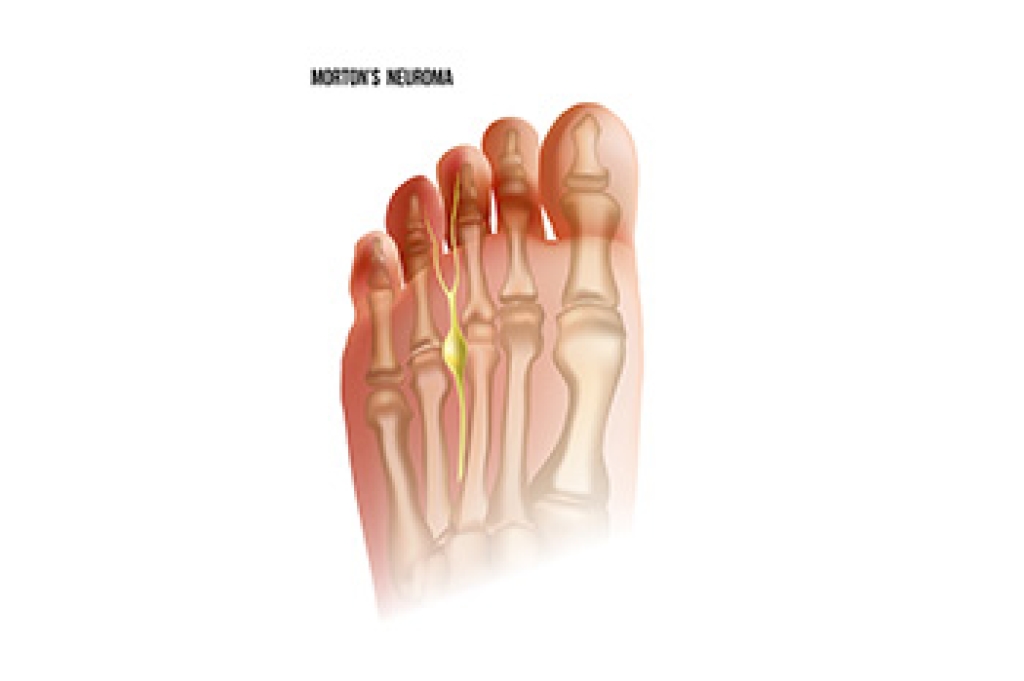
Morton’s neuroma is one particular kind of affliction of the foot that negatively impacts the health of one’s feet. Specifically, Morton’s neuroma develops when the tissue surrounding a nerve in the toes of the feet becomes thickened. As a result, pain may ensue. In fact, the primary symptom that is associated with this condition is actually pain and feelings of discomfort. Interestingly, the pain associated with this condition is not always consistent in duration. For example, sometimes the pain from Morton’s Neuroma may be intermittent. This specific kind of pain is sometimes described as comparable to standing on a marble. As a consequence of the pain, the toes might even begin to feel tingly or numb. If you are someone that has Morton’s neuroma and wants to address the pain, it is suggested that you contact a podiatrist today for treatment and assistance. 

Morton’s neuroma is a very uncomfortable condition to live with. If you think you have Morton’s neuroma, contact one of our podiatrists of APEX Foot & Ankle Center. Our doctors will attend to all of your foot care needs and answer any of your related questions.  

Morton’s Neuroma

Morton's neuroma is a painful foot condition that commonly affects the areas between the second and third or third and fourth toe, although other areas of the foot are also susceptible. Morton’s neuroma is caused by an inflamed nerve in the foot that is being squeezed and aggravated by surrounding bones.

What Increases the Chances of Having Morton’s Neuroma?

  • Ill-fitting high heels or shoes that add pressure to the toe or foot
  • Jogging, running or any sport that involves constant impact to the foot
  • Flat feet, bunions, and any other foot deformities

Morton’s neuroma is a very treatable condition. Orthotics and shoe inserts can often be used to alleviate the pain on the forefront of the feet. In more severe cases, corticosteroids can also be prescribed. In order to figure out the best treatment for your neuroma, it’s recommended to seek the care of a podiatrist who can diagnose your condition and provide different treatment options.

If you have any questions, please feel free to contact our offices located in Fort Myers, Shellpoint, and Naples, FL . We offer the newest diagnostic and treatment technologies for all your foot care needs.

Read more about Morton's Neuroma

Causes of an Ingrown Toenail

The painful foot condition that is known as an ingrown toenail can happen from wearing shoes that are too tight. It may also occur from improperly trimming the toenails, or possibly if it tends to run in families. An ingrown toenail generally affects the big toe, and is noticeable as the nail grows into the skin instead of over it. Symptoms can include swelling, redness, and it may become infected. Some patients find temporary relief as they soak their feet in warm water, followed by gently pulling the skin away from the nail. An ingrown toenail will generally produce pain and discomfort, and there is no mistaking what it is from. If you have developed an ingrown toenail, it is suggested that you are under the care of a podiatrist who can properly assess and treat this condition.

Ingrown toenails can become painful if they are not treated properly. For more information about ingrown toenails, contact one of our podiatrists of APEX Foot & Ankle Center. Our doctors can provide the care you need to keep you pain-free and on your feet.

Ingrown Toenails

Ingrown toenails occur when a toenail grows sideways into the bed of the nail, causing pain, swelling, and possibly infection.

Causes

  • Bacterial infections
  • Improper nail cutting such as cutting it too short or not straight across
  • Trauma to the toe, such as stubbing, which causes the nail to grow back irregularly
  • Ill-fitting shoes that bunch the toes too close together
  • Genetic predisposition

Prevention

Because ingrown toenails are not something found outside of shoe-wearing cultures, going barefoot as often as possible will decrease the likeliness of developing ingrown toenails. Wearing proper fitting shoes and using proper cutting techniques will also help decrease your risk of developing ingrown toenails.

Treatment

Ingrown toenails are a very treatable foot condition. In minor cases, soaking the affected area in salt or antibacterial soaps will not only help with the ingrown nail itself, but also help prevent any infections from occurring. In more severe cases, surgery is an option. In either case, speaking to your podiatrist about this condition will help you get a better understanding of specific treatment options that are right for you.

If you have any questions, please feel free to contact our offices located in Fort Myers, Shellpoint, and Naples, FL . We offer the newest diagnostic and treatment technologies for all your foot care needs.

Read more about Ingrown Toenails

Connect With Us

Advanced Podiatric Procedures & Services in the Fort Myers, FL 33908 and Naples, FL 34110 areas